

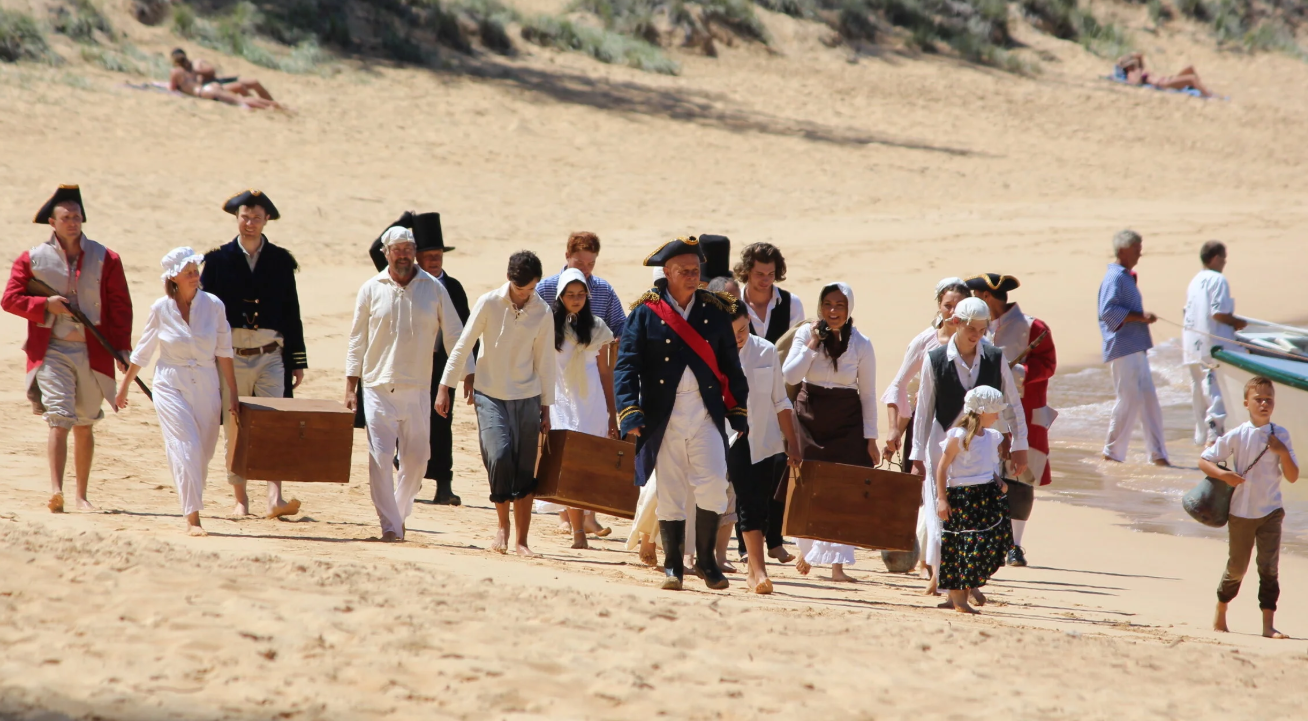
On March 6, 2026 , Norfolk Island observes Foundation Day (also known as Settlement Day or Arrival Day), the island’s principal local holiday, marking the arrival of the first European settlers on 6 March 1788.
This date commemorates the landing of the first group of convicts, marines, and free settlers from the First Fleet aboard HMS Supply, under the command of Lieutenant Philip Gidley King. They established the first European settlement on the uninhabited island, just six weeks after the founding of Sydney Cove in New South Wales. The purpose was to create a penal colony and agricultural outpost to grow food (especially flax and hemp for naval ropes and sails) to support the struggling colony in Australia.
Although this first settlement was abandoned in 1814, and a much harsher second penal colony operated from 1825 to 1855, the modern Norfolk Island community primarily traces its ancestry to the Pitcairn Islanders who arrived in 1856. Nevertheless, March 6, 1788, is officially recognised as the founding date of European settlement on the island.
Significance in 2026:
- In 2026, Norfolk Island marks the 238th anniversary of the first European landing — a day that acknowledges the beginning of continuous human presence on the remote Pacific island.
- The observance celebrates the layered history of Norfolk Island: its early role as a penal settlement, the later arrival of the Pitcairn descendants (who form the core of today’s population), and the unique Norfolk culture and language (Norf’k) that developed over time.
- It is a day of local pride and reflection for the island’s small, close-knit community (population around 1,700).
Celebrations and Observances:
- Official ceremony in Kingston: The main event is held in the historic Kingston area (a UNESCO World Heritage Site preserving the convict settlement ruins). The Administrator, elected councillors, and community leaders participate in a flag-raising ceremony, speeches, and a short commemorative service near the original landing site.
- Re-enactment and community activities: A symbolic re-enactment of the 1788 landing often takes place at Kingston Pier or Emily Bay. The day includes small parades, community picnics, barbecues, sports events (cricket, horse racing, tug-of-war), and traditional Norfolk foods such as pilhi, mudda, and fresh seafood.
- Cultural reflection: Exhibitions at the Norfolk Island Museum, storytelling sessions about early settlement and the 1856 Pitcairn arrival, and performances of Norfolk songs and dances in the Norf’k language are common.
- Public holiday activities: As a public holiday on Norfolk Island, government offices, shops, and the school close. The small population comes together for a relaxed day of remembrance, celebration, and community bonding.
Foundation Day is a local public holiday observed only on Norfolk Island. It is a day of quiet pride, historical reflection, and gratitude for the island’s unique story — from penal colony to the home of the Pitcairn descendants.
A common sentiment on this day: “From the First Fleet to Pitcairn — we made Norfolk our home.”
On March 6, Norfolk Island remembers the first European settlers of 1788 and the Pitcairn arrivals of 1856 — two groups whose descendants created one of the most distinctive and resilient island communities in the world.