

On January 25, 2026, Indonesia observes National Nutrition Day (Hari Gizi Nasional or Hari Gizi dan Pangan Nasional), an annual commemoration dedicated to raising public awareness about the importance of balanced nutrition, healthy eating habits, and food security for all citizens. This day serves as a key momentum to strengthen national commitment to improving nutritional status, preventing malnutrition (including stunting, wasting, and micronutrient deficiencies), and promoting sustainable food systems.
The date traces back to the establishment of the Nutrition Section within the Ministry of Health on January 25, 1960, marking the formal start of structured national nutrition efforts in Indonesia. Over the decades, it has evolved into a major platform for government, health professionals, communities, and families to address ongoing challenges like stunting (affecting many children under 5), double burden of malnutrition (undernutrition alongside rising obesity), and access to diverse, affordable nutritious foods.
In 2026, this marks the 66th National Nutrition Day, aligning with government priorities such as the Free Nutritious Meal Program (Makan Bergizi Gratis) launched under President Prabowo Subianto, aimed at school children and vulnerable groups to combat stunting and enhance cognitive development.
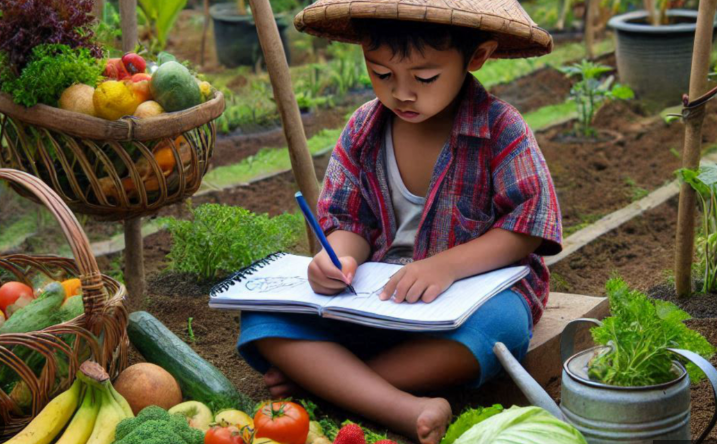
2026 Theme and Focus: The theme for Hari Gizi Nasional 2026 is “Penuhi Gizi Seimbang dari Pangan Lokal” (“Fulfill Balanced Nutrition from Local Foods”), with the slogan “Sehat Dimulai dari Piringku” (“Health Starts from My Plate”). It emphasizes utilizing abundant, affordable, and culturally relevant local foods (e.g., rice, tubers, fish, eggs, vegetables, fruits, and legumes) to achieve balanced nutrition, reduce reliance on imports, support local farmers, and build resilient food systems amid climate and economic challenges.
Celebrations and Observances:
- Nationwide campaigns: The Ministry of Health (Kemenkes RI), along with local health offices (Dinas Kesehatan), puskesmas (community health centers), schools, and NGOs organize seminars, cooking demonstrations, nutrition counseling, health screenings, and posyandu (integrated health posts) activities focused on maternal and child nutrition.
- Educational events: Schools and universities host talks, poster competitions, essay contests, and exhibitions on balanced diets; IPB University and other institutions often release expert advice on ideal meals (e.g., nutritious breakfasts for children).
- Community programs: Free meal distributions, stunting prevention drives, breastfeeding promotion, and workshops on diverse local food preparation. Companies and organizations (e.g., PTPN, universities) run CSR initiatives like nutrition care for children and families.
- Media and public outreach: State media, social media (#HariGiziNasional2026), and influencers share tips, recipes, and success stories; the government releases data on nutritional progress and logos for download.
- Symbolic actions: Emphasis on the “Isi Piringku” (Fill My Plate) model — half vegetables/fruits, quarter protein, quarter carbohydrates — to encourage healthy, balanced plates.
National Nutrition Day is not a public holiday but inspires collective action across Indonesia. It reinforces the message that good nutrition is the foundation of a healthy, productive, and intelligent generation — essential for Indonesia’s vision of a Golden Indonesia by 2045.
A key slogan often highlighted: “Gizi Seimbang dari Pangan Lokal – Sehat Dimulai dari Piringku”
On this day, Indonesia unites to nourish its people, one balanced plate at a time. 🇮🇩