

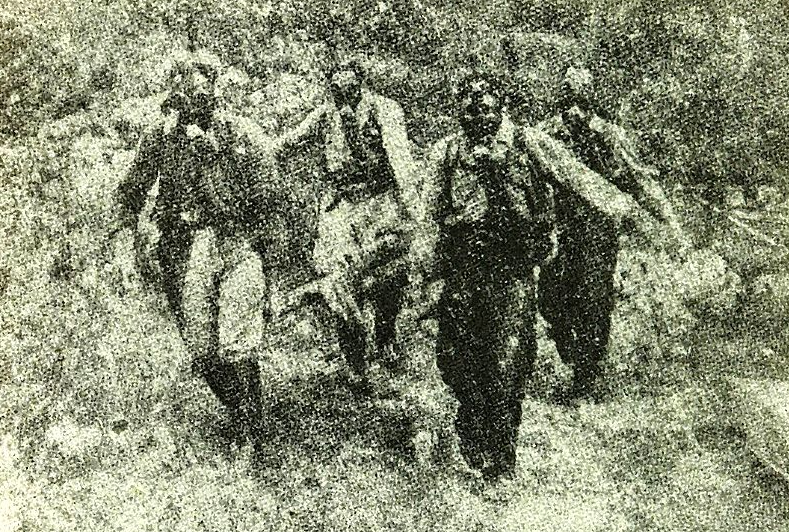
On February 10, 2026, Italy observes National Memorial Day of the Exiles and Foibe (Giorno del Ricordo), a solemn national day of remembrance established to honor the victims of the mass killings in the foibe (natural sinkholes used as mass graves) and the forced exodus of Italians from Istria, Fiume (Rijeka) and Dalmatia after World War II.
The date marks the signing of the Paris Peace Treaties on February 10, 1947, which ceded most of the former Italian territories of Istria, Fiume, and parts of Dalmatia to Yugoslavia. In the months and years that followed (especially 1943–1947 and peaking in 1945), thousands of ethnic Italians (estimates range from several hundred to several thousand killed in the foibe massacres) were murdered by Yugoslav partisan forces, often thrown alive into deep karst sinkholes. Tens of thousands more — between 230,000 and 350,000 people — fled or were expelled from their homes in the Julian March, facing violence, property confiscation, and ethnic cleansing. These events are collectively known as the Istrian-Dalmatian exodus and the foibe massacres.
The day was established by Law No. 92 of March 30, 2004, after decades of relative silence on the issue in post-war Italy. It is both a day of mourning for the victims and a call to preserve historical memory, especially for younger generations who may know little about this tragic chapter of Italy’s 20th-century history.
Significance in 2026:
- In 2026, Italy marks the 22nd anniversary of the law establishing the day and the 79th anniversary of the Paris Peace Treaties — a moment to reflect on the human cost of post-war border changes and the suffering of the giuliano-dalmati (Julian-Dalmatian exiles).
- The observance promotes reconciliation, truth-telling, and recognition of the tragedy without politicization, while rejecting any attempt to equate or relativize it with other historical crimes.
- It reaffirms Italy’s commitment to remembering all victims of totalitarianism and ethnic hatred, and to educating about the consequences of war and ideological extremism.
Celebrations and Observances:
- Official ceremonies: The main national event is held in Rome at the Altar of the Fatherland (Altare della Patria) or the Monument to the Exiles in the EUR district, with the President of the Republic, Prime Minister, Presidents of the Chambers, and regional leaders laying wreaths and delivering speeches.
- Regional and local tributes: Similar ceremonies take place in Trieste (at the Foiba of Basovizza monument and the Museum of the Foibe and the Istrian-Dalmatian Exodus), Gorizia, Pola (Pula, Croatia), Fiume (Rijeka, Croatia), and other cities with large communities of exiles and their descendants. Wreaths are laid at monuments, churches hold Masses, and moments of silence are observed at 12:00 noon in many places.
- Educational and cultural programs: Schools across Italy organize lessons, exhibitions, film screenings (such as “Trieste, la foiba” documentaries or films like “Porzûs”), and readings of survivor testimonies or literary works by Istrian-Dalmatian authors (e.g., Pier Antonio Quarantotti Gambini, Giani Stuparich, Marisa Madieri).
- Public engagement: The national flag flies at half-mast on public buildings in the morning, then full mast; many municipalities illuminate monuments in tricolor lights; associations of exiles (e.g., ANVGD – National Association of Venezia Giulia and Dalmatia) hold conferences and publish special editions.
- Symbolic acts: Candles are lit at memorials, the names of victims are read aloud, and the day ends with a minute of silence in many cities at 20:00 (the approximate time of the 1947 treaty signing).
The Day of Remembrance is a public holiday in some regions (Friuli-Venezia Giulia has additional observances), but it is a national day of commemoration everywhere — schools and public offices remain open, though many hold special programs. It is observed with solemnity, dignity, and a focus on historical truth and reconciliation.
A phrase often repeated on this day: “Non dimentichiamo.” (“We will not forget.”)
On February 10, Italy remembers the thousands who died in the foibe, the hundreds of thousands who lost their homes, and the enduring pain of the Istrian-Dalmatian exodus — ensuring their story is never forgotten. 🇮🇹