

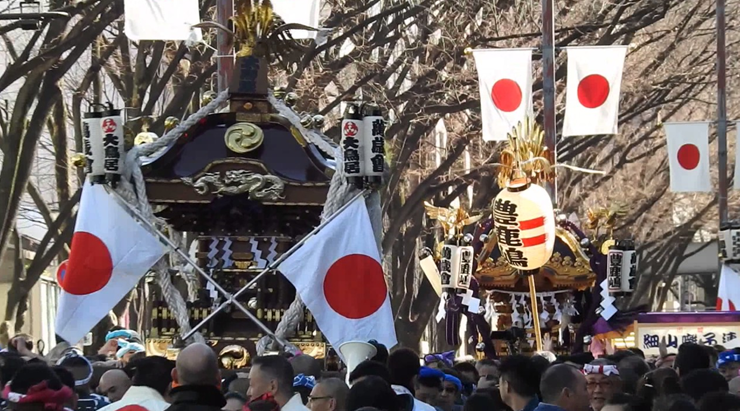
On February 11, 2026, Japan observes National Foundation Day (建国記念の日, Kenkoku Kinen no Hi), a national public holiday commemorating the legendary founding of Japan and the establishment of the imperial line.
The date is traditionally associated with February 11, 660 BC, the day Emperor Jimmu (神武天皇, Jinmu Tennō) — Japan’s mythical first emperor and a descendant of the sun goddess Amaterasu — is said to have ascended the throne in Kashihara, Yamato Province. This event is recorded in the ancient chronicles Kojiki (712 AD) and Nihon Shoki (720 AD) and marks the beginning of the unbroken imperial dynasty, the world’s oldest continuous hereditary monarchy.
National Foundation Day was first celebrated as Kigensetsu (紀元節) from 1873 to 1948, glorifying the imperial era and militarism. It was abolished after World War II during the Allied occupation but reinstated in 1967 as a more neutral “National Foundation Day” to celebrate the origins of the Japanese nation and foster patriotism without militaristic overtones.
Significance in 2026:
- In 2026, Japan marks the 2,686th anniversary (by traditional reckoning) of Emperor Jimmu’s enthronement — a symbolic milestone that underscores the continuity of Japanese culture, history, and the imperial institution.
- The day promotes national unity, pride in Japan’s heritage, and reflection on the country’s peaceful post-war identity as a constitutional monarchy and democracy.
- It is one of the four “seasonal” national holidays in February (along with Coming of Age Day, Marine Day, and Mountain Day in some years), signaling the transition toward spring.
Celebrations and Observances:
- Official ceremonies: The main event is a formal ceremony at the Nara Kashihara Shrine (Kashihara Jingū) in Kashihara, Nara Prefecture — the legendary site of Jimmu’s palace and enthronement. The Emperor (or Crown Prince) sends a ritual offering (heihaku); government officials, local leaders, and Shinto priests participate in prayers and tributes.
- Flag-flying: The Hinomaru (national flag) is flown on public buildings, schools, and many homes — one of the official flag-raising days in Japan.
- Public events: Local governments, schools, and community groups hold small ceremonies, lectures on Japanese history, cultural performances (kagura dances, traditional music), and youth activities. In some towns, there are parades or festivals with traditional foods.
- Educational focus: Schools often include special classes on Emperor Jimmu, the Kojiki/Nihon Shoki, and the origins of the Japanese state; children make crafts or write about national pride.
- Quiet reflection: Many Japanese spend the day with family, enjoying a day off — visiting shrines, parks, or simply relaxing. It is a low-key holiday compared to more exuberant ones like Children’s Day or Coming of Age Day.
National Foundation Day is a public holiday in Japan — government offices, banks, schools, and most businesses close — allowing people to rest, reflect, and celebrate their shared history in a calm, dignified way.
A traditional greeting or sentiment on this day: “建国記念日、おめでとうございます。” (“Happy National Foundation Day.”)
On February 11, Japan raises its flag and quietly honors the legendary founding of the nation — a day of pride in heritage, continuity, and the enduring spirit of the Japanese people. 🇯🇵