

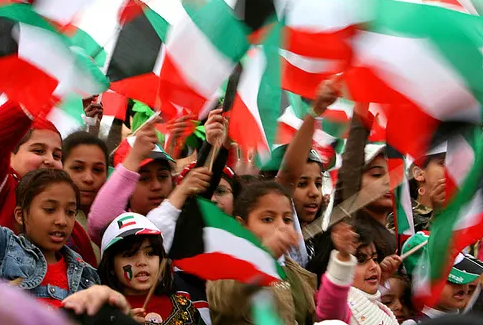
On February 25, 2026, the State of Kuwait celebrates National Day (اليوم الوطني / Al-Yawm al-Watani), the country’s most important national holiday, commemorating the 66th anniversary of the formal end of the British protectorate and the full assertion of Kuwaiti sovereignty on February 25, 1961.
On this date in 1961, Sheikh Abdullah Al-Salem Al-Sabah (the 11th Ruler of Kuwait) officially declared Kuwait’s complete independence from the United Kingdom, which had held a protectorate treaty since 1899. The British government recognized Kuwait’s independence, and the country joined the Arab League shortly thereafter. National Day is celebrated alongside Liberation Day (February 26) in a two-day national festival, marking both independence from colonial rule and liberation from Iraqi occupation in 1991.
Significance in 2026:
- In 2026, Kuwait celebrates 66 years of sovereignty — a milestone that reflects the nation’s journey from a small pearl-diving and trading society to a modern, prosperous state with one of the world’s highest per capita incomes, driven by oil wealth and strategic vision.
- The day emphasizes Kuwaiti unity, loyalty to the Al-Sabah ruling family, Islamic values, and the enduring spirit of independence and resilience — especially poignant after the 1990–1991 Iraqi invasion and the subsequent liberation.
- It reaffirms the national motto: “الله الوطن الأمير” (“God, Country, Emir”) and celebrates Kuwait’s role as a stable, generous, and influential player in the Gulf and Arab world.
Celebrations and Observances:
- Grand National Parade: The highlight is the massive military and civilian parade in Kuwait City, often along the Coast Road or at Mishref International Fairground. The Emir (or Crown Prince), Prime Minister, National Assembly Speaker, and senior officials attend. The parade features the Kuwait Armed Forces (Army, Navy, Air Force, National Guard), marching bands, police, firefighters, and student contingents, with fly-pasts, tank displays, and fireworks.
- Flag-raising ceremonies: The Kuwaiti flag (green, white, red with black trapezoid) is raised at government buildings, schools, mosques, and homes across the country. The national anthem (“Al-Nasheed al-Watani”) is sung at official events.
- Cultural and patriotic festivities: Streets are decorated with green-white-red flags, portraits of the Emir and late rulers (Sheikh Abdullah Al-Salem, Sheikh Jaber Al-Ahmad), and lights. Cultural shows feature traditional dances (ardha sword dance), folk music, and performances by Kuwaiti artists.
- Public holiday activities: As a public holiday (combined with Liberation Day on February 26 for a two-day weekend), government offices, banks, schools, and most businesses close. Families enjoy outings to beaches, parks, malls, or desert camps; fireworks and laser shows illuminate Kuwait City, Salmiya, and Hawalli.
- Media coverage: Kuwait TV, Al Rai, Al Watan, and other channels broadcast live parade coverage, historical documentaries on independence and liberation, and special programs honoring Kuwaiti martyrs and national heroes.
- Symbolic acts: Many citizens wear national colors (green, white, red, black) or traditional attire (dishdasha for men, abaya for women); the Emir’s portrait and Kuwaiti flags are displayed widely; the day often ends with family gatherings and feasts.
National Day is Kuwait’s biggest annual celebration — a joyful, patriotic, and unifying event that blends solemn remembrance of history with exuberant pride in the present.
A common greeting on this day: “كل عام وأنتم بخير في اليوم الوطني!” (“Happy National Day to you all!”)
On February 25, Kuwait raises its flag high, salutes its rulers and people, and celebrates the enduring spirit of independence, unity, and prosperity that defines the nation. 🇰🇼