

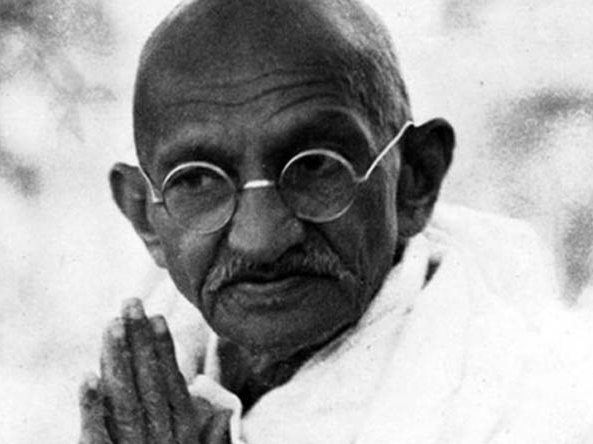
On January 30, 2026, India observes Martyrs’ Day (Shaheed Diwas or Shaheed Divas), a solemn national commemoration marking the 78th anniversary of Mahatma Gandhi‘s assassination in 1948. This day pays tribute not only to Gandhiji but to all those who laid down their lives for India’s independence, unity, and security — freedom fighters, soldiers, police personnel, and civilians who sacrificed everything for the nation.
The date was chosen because on January 30, 1948, at 5:17 pm in the garden of Birla House (now Gandhi Smriti) in New Delhi, Nathuram Godse fired three shots at Mahatma Gandhi during his evening prayer meeting. Gandhiji, then 78, fell to the ground with the words “Hey Ram” on his lips. His death shocked the newly independent nation and the world, ending the life of the man who had led India to freedom through non-violence and truth.
Martyrs’ Day was officially declared in 1948 to remember Gandhiji and all martyrs of the freedom struggle. Over the years, it has expanded to honor every Indian who gave their life for the country — from Bhagat Singh, Chandrashekhar Azad, and Subhas Chandra Bose to soldiers in wars, police in anti-terror operations, and civilians killed in communal violence or insurgencies.
Significance in 2026:
- The day reminds the nation of the high cost of freedom and the ongoing need to protect unity, secularism, and constitutional values.
- It serves as a call to reject hatred, violence, and division — the very forces that led to Gandhiji’s assassination — and to live by his principles of truth, non-violence, and service.
- In recent years, the observance has also highlighted sacrifices in modern conflicts, border security, and internal security operations.
Celebrations and Observances:
- Official ceremonies: The Prime Minister, President, and other leaders pay homage at Raj Ghat (Gandhi’s memorial in Delhi) with wreath-laying, two-minute silence at 11:00 am (the approximate time of the assassination in some years), and prayers. Similar tributes take place at Gandhi memorials across states.
- Nationwide tributes: Schools, colleges, government offices, and public institutions hold special assemblies with speeches, patriotic songs, and readings from Gandhi’s writings. Many places observe a two-minute silence at 5:17 pm.
- Cultural and educational programs: Documentaries on Gandhi’s life, exhibitions on freedom fighters, essay competitions, and discussions on non-violence and sacrifice. Media channels broadcast special programs, interviews with freedom fighters’ families, and archival footage.
- Public reflection: Citizens light candles, visit memorials, or share messages online (#MartyrsDay, #ShaheedDiwas) remembering martyrs from all eras.
Martyrs’ Day is not a restricted public holiday (offices and schools usually remain open), but it is observed with solemnity rather than festivity — a day for quiet reflection, gratitude, and renewed commitment to the ideals for which so many gave their lives.
A line often remembered on this day: “Hey Ram” — Gandhiji’s last words, symbolizing faith, forgiveness, and peace even in the face of violence.
On January 30, India bows its head in gratitude to its martyrs — those who lived and died so that the nation could breathe free. 🇮🇳