

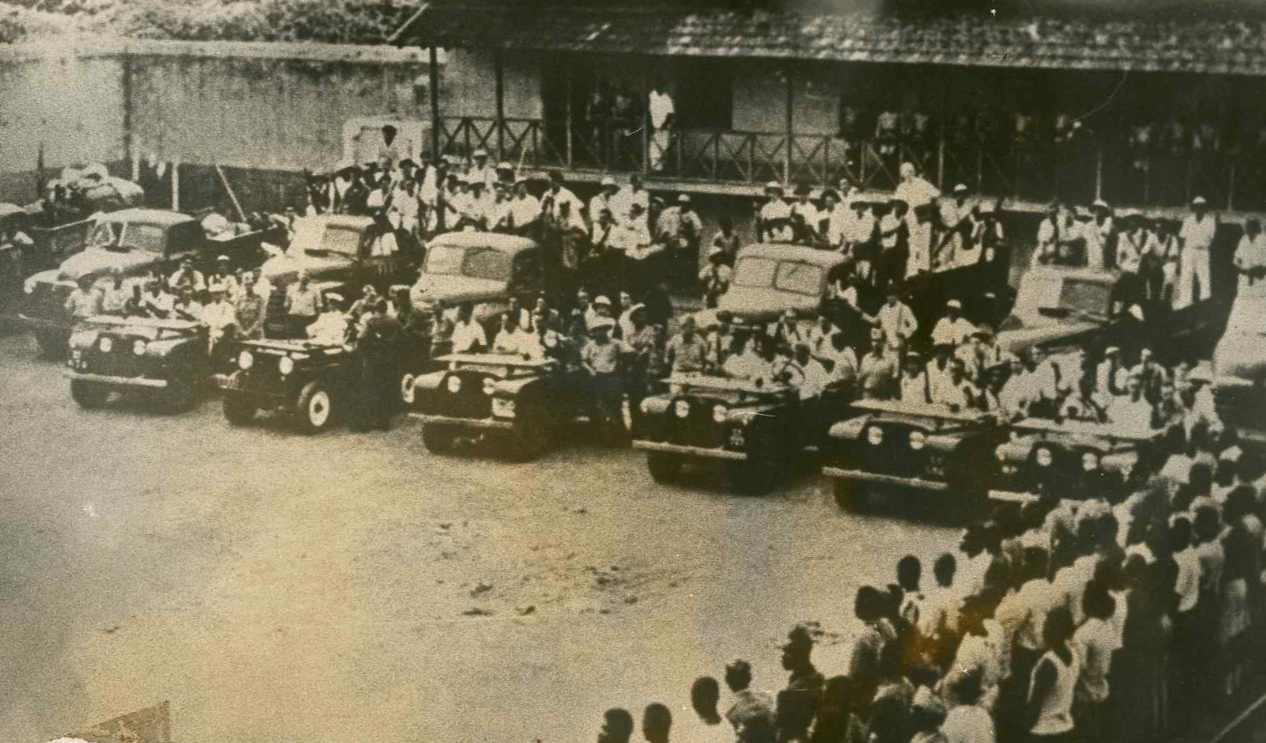
On February 3, 2026, the Democratic Republic of São Tomé and Príncipe observes Martyrs’ Day (Dia dos Mártires or Dia dos Mártires da Liberdade), a national public holiday commemorating the victims of the Batepá Massacre of February 3, 1953 — a brutal event that became a turning point in the island nation’s struggle against Portuguese colonial rule.
In early 1953, Portuguese colonial governor Carlos de Sousa Gorgulho and local landowners demanded forced labor from native Creole (forro) populations to harvest coffee during a labor shortage. When many refused, citing it as a return to slavery-like conditions, the governor responded with extreme repression. On February 3, colonial forces, police, and settlers launched a campaign of violence, torture, and mass killings in Batepá (Trindade district) and surrounding areas, including Fernão Dias beach in Lobata district. Hundreds of Creoles were killed — estimates range from 200 (official Portuguese figures) to over 1,000 (local accounts) — through shootings, beatings, drownings, and electric torture. Thousands more were arrested or fled.
The massacre sparked widespread outrage, accelerated anti-colonial sentiment, and is widely seen as the catalyst for the organized independence movement that led to freedom on July 12, 1975. The victims are remembered as martyrs of liberty — the first to die in the name of national emancipation.
Significance in 2026:
- In 2026, São Tomé and Príncipe marks the 73rd anniversary of the Batepá Massacre, reinforcing the national narrative of resistance, sacrifice, and unity in building a free, sovereign nation.
- The day underscores ongoing values of social justice, equality, and remembrance — especially in a small island nation where colonial legacies still influence identity, land ownership, and social structures.
- It serves as a solemn reminder of the price paid for independence and the need to protect democratic gains.
Celebrations and Observances:
- Central ceremony: The main national event takes place at the Memorial to the Martyrs of February 3, 1953, erected in 2015 on Fernão Dias beach in Lobata district (north of São Tomé island). The President, government officials, military leaders, and community representatives lead wreath-laying, a religious homily, speeches, and a rekindling of the eternal flame.
- March of Freedom: A symbolic march often begins in the capital São Tomé and ends at the Fernão Dias memorial, involving citizens, youth groups, and veterans.
- Cultural and educational programs: Schools and communities hold assemblies with lessons on the massacre and colonial history; cultural performances include traditional music, poetry readings, and storytelling about the martyrs.
- Public reflection: Flags fly at half-mast in the morning; many visit local memorials or cemeteries to lay flowers or light candles. Media broadcasts documentaries, survivor testimonies (or descendants’), and features on the path to independence.
- Symbolic acts: The national colors (green, yellow, black, red) and images of the martyrs are prominent; the day is observed with dignity and solemnity rather than festivity.
Martyrs’ Day is a public holiday in São Tomé and Príncipe — government offices, schools, banks, and most businesses close — allowing citizens to participate in ceremonies and spend time in reflection with family.
A common sentiment on this day: “Honra e glória aos mártires da liberdade!” (“Honor and glory to the martyrs of freedom!”)
On February 3, São Tomé and Príncipe remembers the blood spilled on its soil — and renews its commitment to a free, just, and united nation. 🇸🇹