

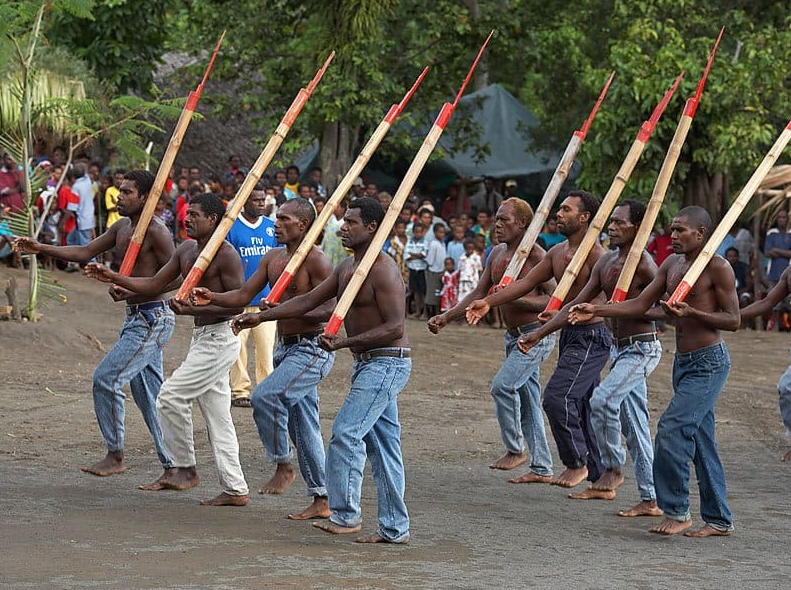
On February 15, 2026, the people of Tanna Island in Vanuatu celebrate John Frum Day, one of the most colorful and distinctive cultural festivals in the South Pacific. This annual event honors John Frum, a messianic figure central to the John Frum cargo cult movement that has flourished on Tanna since the 1930s–1940s.
John Frum (sometimes spelled Jon Frum or John From) is believed by followers to be a mythical American savior or spirit who will one day return with vast cargo — material wealth, modern goods, and prosperity — to liberate the people from hardship and colonial influence. The name “John Frum” is thought to derive from American soldiers (“John from America”) who brought unprecedented goods and generosity during World War II when U.S. troops were stationed in the New Hebrides (now Vanuatu).
The cult emerged in response to colonial rule, missionary influence, and the dramatic arrival (and departure) of wartime cargo. Followers rejected European ways, destroyed traditional wealth (pigs, crops), and waited for John Frum’s promised return. Over time, the movement blended indigenous beliefs, Christianity, and cargo expectations into a unique syncretic religion.
February 15 was chosen as John Frum Day because it is believed to be the date of his prophesied arrival or a significant event in the cult’s oral history. The day is most intensely celebrated in villages around Yakel and Imanaka on Tanna, where John Frum adherents live.
Significance in 2026:
- John Frum Day is not a nationwide public holiday in Vanuatu (schools and offices remain open in most places), but it is a major cultural and religious event on Tanna, where thousands gather.
- It reflects the resilience of indigenous Melanesian spirituality in the face of colonialism, Christianity, and globalization — a living example of how Pacific peoples adapted foreign ideas to their own worldview.
- The celebration also highlights Tanna’s unique identity within Vanuatu: proud, traditional, and fiercely independent, with strong customary (kastom) practices alongside cargo cult beliefs.
Celebrations and Observances:
- Flag-raising and marches: Followers raise American flags (stars and stripes) and homemade John Frum flags (often red with white crosses or stars) on tall bamboo poles. Men and women in traditional dress — grass skirts, body paint, leaves, and feathers — parade through villages chanting and singing hymns adapted to John Frum.
- Mock military drills: One of the most striking features is the “army” of John Frum followers — men in homemade uniforms (red cross armbands, bamboo rifles, wooden helmets) marching in formation, saluting, and performing drills in imitation of U.S. troops from the 1940s.
- Singing and dancing: All-night singing sessions (kastom songs mixed with hymns about John Frum), dancing, and rhythmic chanting continue until dawn. Drums, bamboo pipes, and voices fill the air.
- Rituals and offerings: Prayers and offerings (flowers, kava, food) are made at sacred sites; some groups hold all-night vigils waiting for signs of John Frum’s return.
- Community feasts: Villages prepare large meals — taro, yam, pork, fish, and kava — shared among families and visitors. Tourists are welcomed but asked to respect customs.
- Symbolic acts: Crosses and red-painted markers are prominent; some followers wear red cross necklaces or paint red crosses on their bodies.
John Frum Day is not a nationwide public holiday in Vanuatu (only Tanna treats it as a major event), but it is one of the most photographed and internationally known cultural festivals in the Pacific — a living blend of indigenous belief, colonial memory, and hope for a better future.
A chant often heard during the marches: “John Frum, he come soon!”
On February 15, the people of Tanna raise their flags, march with bamboo rifles, and sing through the night — waiting, believing, and celebrating the promise of John Frum’s return. 🇻🇺