

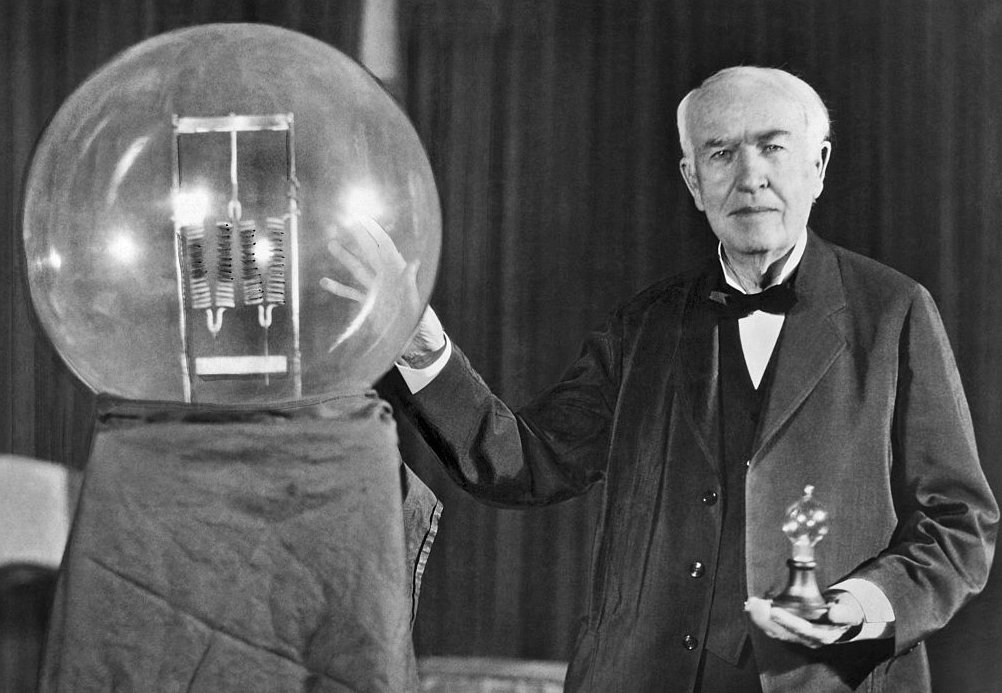
On February 11, 2026, the United States observes Inventors’ Day, an unofficial but widely recognized day honoring inventors, their ingenuity, and the spirit of innovation that has shaped American progress.
The date was chosen because it is the birthday of Thomas Alva Edison (born February 11, 1847), one of America’s most prolific inventors. Edison held 1,093 U.S. patents — more than any individual in history — including the incandescent light bulb, phonograph, motion picture camera, and improvements to the telegraph and telephone. His Menlo Park laboratory in New Jersey became the model for the modern research and development lab, and his nickname “The Wizard of Menlo Park” reflects his transformative impact on daily life.
While National Inventors’ Day is not a federal holiday (no closures of schools or offices), it has been informally celebrated since the 1980s and gained traction after a 1983 resolution by the U.S. Congress (Public Law 97-198) encouraged recognition of inventors on Edison’s birthday. It is promoted by organizations like the United Inventors Association, National Inventors Hall of Fame, and the U.S. Patent and Trademark Office (USPTO).
Significance in 2026:
- The day celebrates not just Edison but all American inventors — from Benjamin Franklin and Eli Whitney to modern pioneers like Lonnie Johnson (Super Soaker), Patricia Bath (laser cataract surgery), and the countless garage tinkerers and startup founders driving today’s tech revolution.
- In 2026, it highlights the role of innovation in solving global challenges: clean energy, healthcare, artificial intelligence, space exploration, and climate resilience.
- It encourages young people — especially students — to pursue STEM fields, file patents, and think creatively, reinforcing America’s reputation as a land of invention.
Observances and Activities:
- USPTO events: The U.S. Patent and Trademark Office often hosts virtual or in-person programs, including inventor spotlights, patent clinics, and announcements of new inductees to the National Inventors Hall of Fame (ceremony usually held in May but promoted around this date).
- School and educational programs: Many schools hold invention fairs, STEM challenges, “inventor of the day” presentations, or lessons on Edison and famous patents. Students are encouraged to create their own inventions or prototypes.
- Community and museum activities: Science museums (e.g., Smithsonian’s Lemelson Center, Henry Ford Museum), libraries, and maker spaces organize workshops, talks by local inventors, and exhibits of historic patents.
- Corporate and startup recognition: Companies like General Electric (Edison’s legacy), Intel, Google, and Tesla often share stories of their inventors or host internal events; incubators and universities highlight alumni patents.
- Public engagement: Social media campaigns (#InventorsDay, #ThankAnInventor) feature posts about favorite inventions; many people share stories of how inventions changed their lives; some radio stations or podcasts air inventor interviews.
- Symbolic gestures: Lighting a symbolic “Edison bulb,” visiting patent databases online, or simply saying “thank you” to an inventor in your life.
Inventors’ Day is not a public holiday — no day off — but a meaningful opportunity to celebrate the creative minds that have made modern life possible.
A famous Edison quote often shared on this day: “Genius is one percent inspiration and ninety-nine percent perspiration.”
On February 11, the United States tips its hat to inventors — past, present, and future — whose ideas continue to light up the world, quite literally in Edison’s case. 🇺🇸