

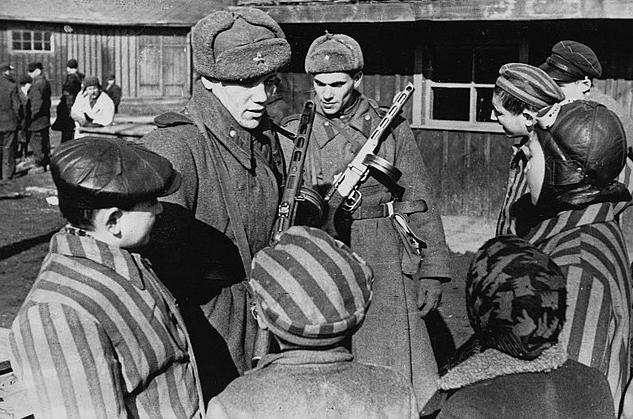
On January 27, 2026, the world observes International Holocaust Remembrance Day, an annual United Nations-designated commemoration to honor the memory of the six million Jews and millions of others murdered during the Holocaust, while reaffirming the global commitment to prevent future genocides and combat antisemitism, racism, xenophobia, and hatred in all its forms.
The date was chosen because January 27, 1945, marks the liberation of the Nazi concentration and extermination camp Auschwitz-Birkenau by Soviet troops — the largest and most infamous site of the Holocaust, where more than 1.1 million people were killed, the vast majority Jews. The liberation revealed the full horrors of the Nazi “Final Solution” to the world and became a powerful symbol of the scale of industrialized genocide.
The UN General Assembly formally established the day in November 2005 (resolution 60/7), urging member states to develop educational programs that transmit the lessons of the Holocaust to future generations and to condemn denial, distortion, and trivialization of the genocide.
Significance in 2026:
- This year marks 81 years since the liberation of Auschwitz and comes at a time of rising antisemitic incidents globally, renewed Holocaust denial on social media, and concerns over the resurgence of far-right ideologies.
- The day emphasizes education as the strongest weapon against hatred: teaching the dangers of prejudice, dehumanization, indifference, and the consequences of unchecked authoritarianism.
- It also highlights survivor testimonies (though their numbers continue to decline), the importance of preserving sites like Auschwitz, and the need for vigilance against modern forms of hatred, including online radicalization.
Global Observances:
- United Nations events: The UN headquarters in New York hosts the annual official ceremony, often with survivor speeches (or recordings), statements from the Secretary-General, and youth-led reflections. In 2026 the focus is expected to include the theme of “Remembering to Act” — turning memory into active resistance against hate.
- Auschwitz-Birkenau ceremonies: Thousands gather at the former death camp in Poland for the main international commemoration, with world leaders, diplomats, survivors’ families, and youth delegations participating in wreath-laying, moments of silence, and the reading of victims’ names.
- Nationwide and community events: In many countries, schools hold special lessons, museums and memorials offer free entry or special exhibitions, candle-lighting ceremonies take place, and public readings of survivor stories or names occur. In Europe, particularly Germany, Poland, Israel, and the United States, large-scale events and media broadcasts are common.
- Online and educational initiatives: Social media campaigns (#HolocaustRemembrance, #WeRemember), virtual tours of Auschwitz, and digital archives (such as those from Yad Vashem and the US Holocaust Memorial Museum) reach millions, especially younger audiences.
International Holocaust Remembrance Day is not a public holiday in most countries but a solemn day of reflection. It serves as a stark reminder that “never again” is not just a slogan — it is a moral imperative requiring constant education, vigilance, and action.
A phrase often repeated on this day: “Those who cannot remember the past are condemned to repeat it.” — George Santayana (frequently quoted in Holocaust remembrance contexts)
On January 27, the world pauses to remember the victims, honor the survivors, and renew the promise: Never again. 🕯️