

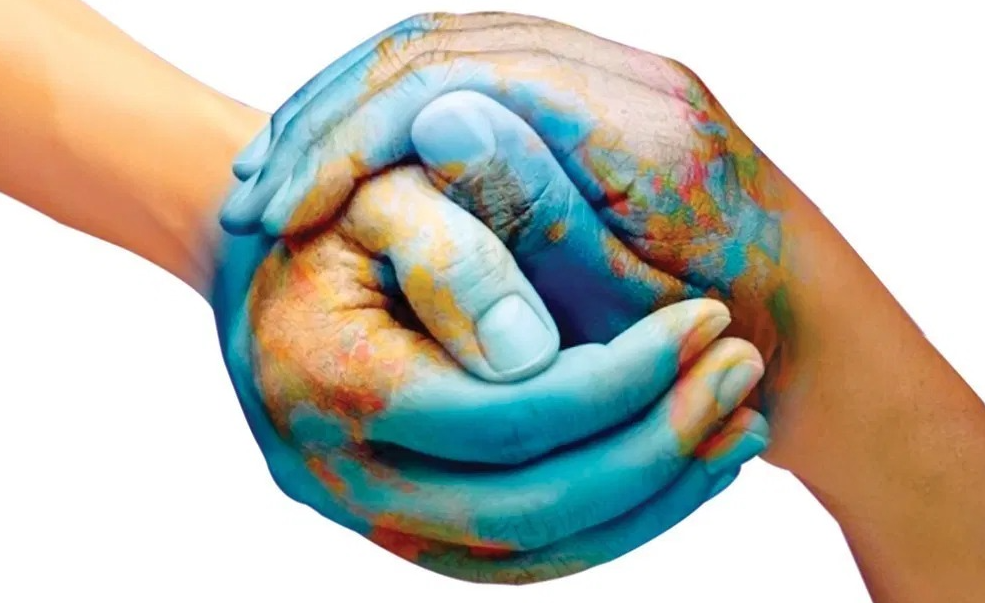
On February 4, 2026, the world observes International Day of Human Fraternity, a United Nations-designated day established to promote mutual understanding, tolerance, peaceful coexistence, and solidarity among people of different faiths, cultures, and backgrounds.
The date was chosen to commemorate the historic signing of the Document on Human Fraternity for World Peace and Living Together on February 4, 2019, in Abu Dhabi by Pope Francis (head of the Catholic Church) and Grand Imam Ahmed el-Tayeb (head of Al-Azhar University and one of the most influential Sunni Muslim leaders). This landmark declaration, often called the “Abu Dhabi Declaration,” called for fraternity among all human beings, condemned extremism and hatred in the name of religion, and emphasized that religions should be forces of peace rather than division.
In December 2020, the UN General Assembly unanimously adopted resolution 75/200, proclaiming February 4 as International Day of Human Fraternity and inviting all Member States, organizations, and individuals to observe it annually through appropriate activities that promote interfaith and intercultural dialogue, tolerance, and peaceful coexistence.
Significance in 2026:
- The day arrives amid ongoing global challenges: rising polarization, religious intolerance, conflicts fueled by identity divides, and increasing migration and cultural encounters.
- It serves as a powerful reminder that humanity shares a common destiny and that fraternity — mutual respect, empathy, and cooperation — is essential for peace, sustainable development, and the dignity of every person.
- In 2026, the observance aligns with the UN’s broader efforts to advance the 2030 Agenda (especially SDG 16: Peace, Justice, and Strong Institutions) and supports initiatives like the Abrahamic Family House in Abu Dhabi (a multi-faith complex for mosque, church, and synagogue) as a living symbol of the declaration.
Celebrations and Observances:
- UN and global events: The United Nations hosts virtual or hybrid high-level panels, interfaith dialogues, and statements from the Secretary-General, religious leaders, and civil society. In 2026 the focus may include youth voices, digital solidarity, and addressing hate speech online.
- Interfaith gatherings: Mosques, churches, synagogues, temples, and community centers worldwide organize joint prayers, roundtable discussions, cultural exchanges, and shared meals to foster understanding.
- Educational and civic activities: Schools, universities, and NGOs hold workshops, seminars, art exhibitions, essay contests, and film screenings on themes of fraternity, tolerance, and peaceful coexistence.
- Public campaigns: Social media drives with hashtags (#HumanFraternityDay, #FraternityDay, #DocumentOnHumanFraternity) encourage people to share stories of cross-cultural friendship or acts of kindness; many light candles or post messages of solidarity.
- Symbolic acts: Religious leaders issue joint statements; cities illuminate landmarks in colors symbolizing peace and unity; individuals are encouraged to perform simple acts of kindness across cultural or religious lines.
International Day of Human Fraternity is not a public holiday anywhere but a meaningful global call to action — a day when people of all faiths and none are invited to reflect on what unites us as human beings.
A key message from the 2019 Document: “We believe that the true essence of religion is to serve humanity and to build bridges of love, peace, and fraternity.”
On February 4, the world is reminded that fraternity is not just an ideal — it is a daily choice and the surest path to lasting peace. 🌍