

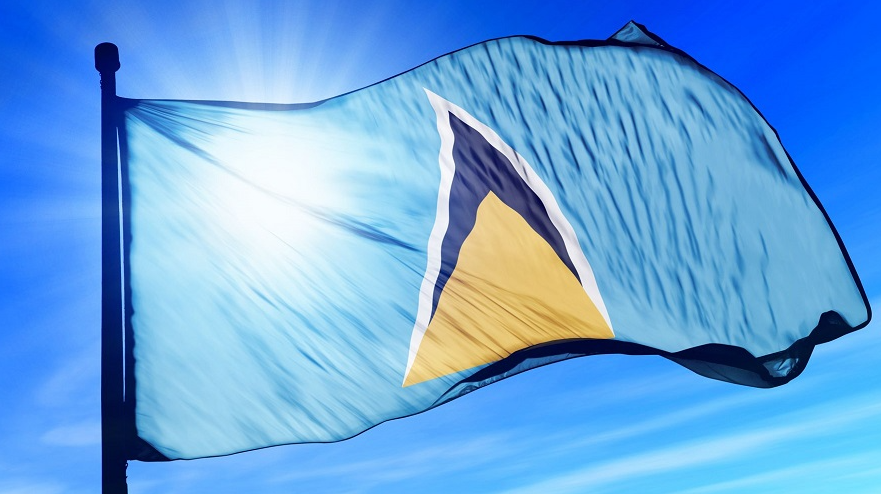
On February 22, 2026, Saint Lucia proudly celebrates Independence Day (National Day), marking the 47th anniversary of the island nation’s full independence from the United Kingdom on February 22, 1979.
At midnight on that date in 1979, the Union Jack was lowered at the Castries City Hall and the Saint Lucia flag — with its blue field (representing the sea and sky), black isosceles triangle (symbolizing the volcanic peaks and the African heritage of the majority population), two yellow triangles (for sunshine and prosperity), and white border (for hope and peace) — was raised for the first time. Saint Lucia became a sovereign state within the Commonwealth, with John Compton as its first Prime Minister and Sir Allen Lewis as the first Governor-General (representing Queen Elizabeth II, who remains head of state).
Independence came peacefully after more than 200 years of British colonial rule (following French control before 1814). It marked the end of colonial administration and the beginning of self-governance for a small island nation rich in Creole culture, natural beauty, and resilient spirit.
Significance in 2026:
- 2026 marks 47 years of independence — a milestone that celebrates Saint Lucia’s journey from a sugar-plantation colony to a stable, democratic, tourism- and agriculture-driven nation with a strong cultural identity.
- The day emphasizes unity among Saint Lucia’s diverse population (African, East Indian, European, and mixed heritage), the importance of sovereignty, economic self-reliance, and environmental stewardship (as a small island developing state vulnerable to climate change).
- It reaffirms the national motto: “The Land, The People, The Light” — reflecting the island’s natural beauty, its people, and the enlightenment of freedom.
Celebrations and Observances:
- National ceremony in Castries: The main event is held at Derek Walcott Square (formerly Columbus Square) in the capital. The Governor-General, Prime Minister, parliamentary leaders, and dignitaries raise the flag, deliver speeches, and review a military and police parade. The Royal Saint Lucia Police Force Band and cadet corps march, and cultural troupes perform.
- Cultural festivities: Street parades, concerts featuring soca, calypso, kompa, and traditional Saint Lucian folk music (kweyol songs, la rose/la marguerite dances), and food fairs with green fig and saltfish (the national dish), accra, bakes, and fresh tropical fruits.
- Nationwide events: Similar celebrations take place in Vieux Fort, Soufrière, Micoud, Dennery, and other towns. Schools hold special assemblies with flag-raising, patriotic songs, and student performances; churches offer interfaith prayers for peace and prosperity.
- Public holiday activities: As a public holiday, government offices, banks, and schools close. Families enjoy beach days, picnics, barbecues, and community gatherings; fireworks light up the night in Castries and major towns.
- Symbolic acts: The Saint Lucia flag (blue, black, gold, white) flies everywhere; many citizens wear national colors or traditional Creole attire; the national anthem (“Sons and Daughters of Saint Lucia”) is sung at events.
- Media coverage: Saint Lucia Broadcasting Corporation (SLBC) and private stations broadcast live from Castries, historical documentaries on independence leaders (Sir John Compton, Sir George Charles), and messages from the Prime Minister.
Independence Day is Saint Lucia’s biggest national celebration — a joyful, colorful day of music, dance, food, and pride in the island’s freedom and unique Creole heritage.
A common greeting on this day: “Happy Independence Day, Saint Lucia! Long live the Land of the Blessed!”
On February 22, Saint Lucia raises its flag, dances to the rhythm of the island, and celebrates the moment it became a free and sovereign nation — the “Helen of the West Indies” shining bright in the Caribbean sun. 🇱🇨