

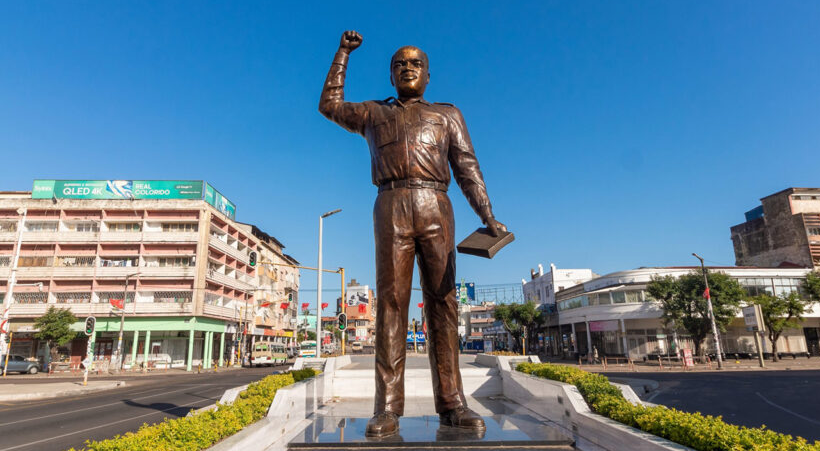
On February 3, 2026, Mozambique observes Heroes’ Day (Dia dos Heróis Moçambicanos), a national public holiday dedicated to remembering and paying tribute to the men and women who fought and sacrificed their lives for the country’s independence and sovereignty.
The date commemorates the assassination of Eduardo Chivambo Mondlane on February 3, 1969, in Dar es Salaam, Tanzania. Mondlane was the founding president of FRELIMO (Frente de Libertação de Moçambique – Mozambique Liberation Front), the movement that led the armed struggle against Portuguese colonial rule from 1964 until independence on June 25, 1975. He is widely regarded as the “father of the Mozambican nation” — a charismatic intellectual, strategist, and unifying leader whose death was a major blow but did not stop the liberation war.
Heroes’ Day honors not only Mondlane but all Mozambican heroes: FRELIMO fighters, women who supported the struggle, civilians who aided the guerrillas, and those who died in colonial prisons, massacres, or battles. It is a day to reflect on the cost of freedom and the ongoing responsibility to build a just, united, and prosperous nation.
Significance in 2026:
- In 2026, Mozambique marks the 57th anniversary of Mondlane’s assassination and continues to celebrate the enduring legacy of the liberation struggle amid efforts to consolidate peace, national reconciliation, and development.
- The day reinforces the values of patriotism, sacrifice, unity, and resistance to oppression — core principles that shaped modern Mozambique after centuries of colonialism and a long war for independence.
Celebrations and Observances:
- Official ceremonies: The main national event takes place at the Heroes’ Square (Praça dos Heróis) in Maputo, where the President, government officials, FRELIMO leaders, veterans, and families lay wreaths at the monument to Eduardo Mondlane and other national heroes. Similar ceremonies occur in every province and district at local heroes’ monuments.
- Speeches and tributes: The President delivers a keynote address honoring the fallen and reaffirming commitment to national unity and development. Veterans and survivors share testimonies.
- Cultural programs: Schools and communities hold special assemblies with patriotic songs, poetry readings, theatrical performances about the liberation struggle, and exhibitions of historical photos and artifacts.
- Public activities: Flags fly at half-mast in the morning, then full mast; many Mozambicans visit cemeteries or memorials to place flowers or light candles. Media (Televisão de Moçambique, Rádio Moçambique) broadcast documentaries, interviews, and music dedicated to the heroes.
- Symbolic acts: Red and green FRELIMO colors are prominent; the national anthem and revolutionary songs (like “Viva FRELIMO”) are performed; youth and student groups participate in marches or clean-up campaigns at memorial sites.
Heroes’ Day is a public holiday in Mozambique — government offices, schools, banks, and most businesses close — allowing families and communities to join in solemn commemorations and reflection.
A phrase often heard on this day: “Honra e glória aos nossos heróis!” (“Honor and glory to our heroes!”)
On February 3, Mozambique pauses to remember those who gave everything for independence — and renews its pledge to build a nation worthy of their sacrifice. 🇲🇿