

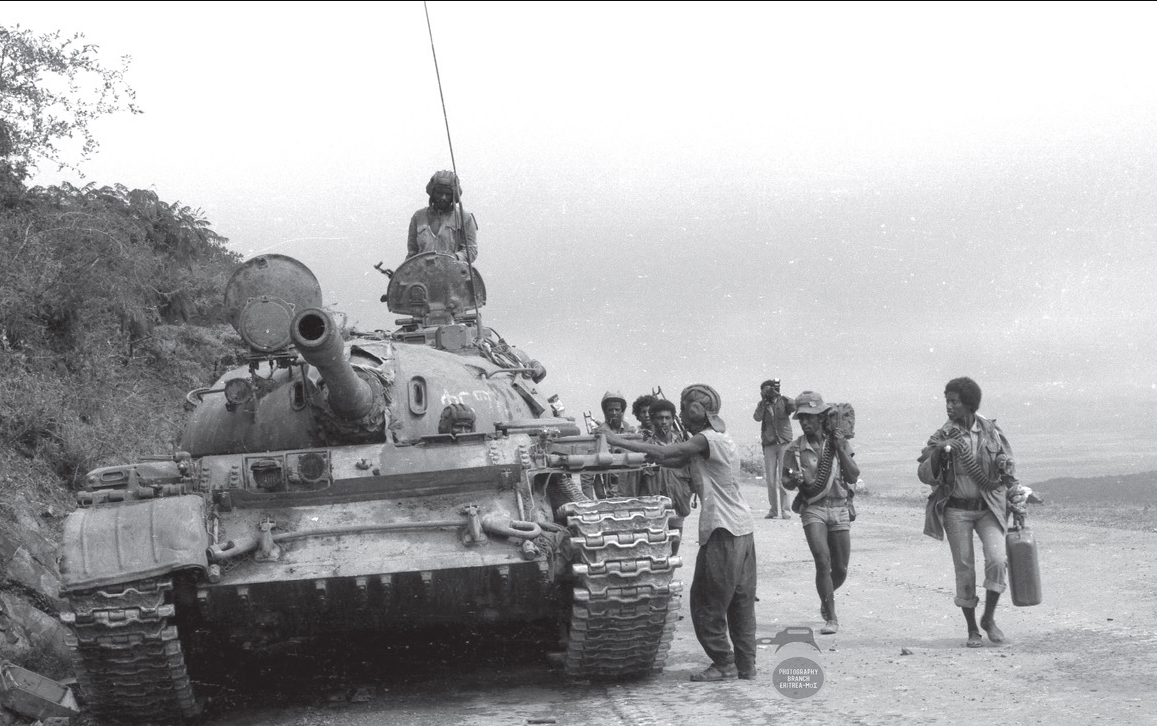
On February 10, 2026, Eritrea observes Fenkil Day (ፈንኪል ቀን / Fenkil Qen), one of the country’s most important national holidays, commemorating the decisive Second Battle of Massawa (also called Operation Fenkil) on February 10, 1990 — a turning point in the Eritrean War of Independence.
The battle was a major amphibious and ground assault launched by the Eritrean People’s Liberation Front (EPLF) against the Ethiopian garrison holding the strategic Red Sea port city of Massawa. After years of siege and repeated failed attempts, EPLF forces — using innovative tactics, captured Ethiopian naval vessels, small boats, and coordinated land-sea operations — overran Ethiopian defenses in a single night of intense fighting. The victory captured Massawa, cut off Ethiopia’s main supply route to Asmara, and effectively sealed the fate of Ethiopian control over Eritrea.
The battle’s success demonstrated the EPLF’s military ingenuity, discipline, and determination, and it shifted the momentum decisively toward Eritrean independence. Massawa’s liberation is seen as one of the most brilliant military operations of the 30-year liberation war (1961–1991).
Significance in 2026:
- In 2026, Eritrea marks the 36th anniversary of the Second Battle of Massawa — a milestone that symbolizes national heroism, sacrifice, and the unbreakable will to achieve independence.
- Fenkil Day honors the thousands of EPLF fighters (tegadelti) who died or were wounded in the operation, as well as the broader struggle that led to Eritrea’s de facto independence in 1991 and formal independence after the 1993 referendum.
- It reinforces the central role of the Eritrean Defence Forces (successors to the EPLF) and the enduring narrative of self-reliance, unity, and resistance against foreign domination.
Celebrations and Observances:
- Main national ceremony: The largest event takes place in Massawa, where President Isaias Afwerki, senior government and military officials, veterans, and thousands of citizens gather at the Fenkil Monument or along the waterfront for speeches, wreath-laying, and military displays.
- Military parades and demonstrations: The Eritrean Defence Forces stage parades, marches, and exhibitions of equipment (tanks, artillery, naval vessels) in Massawa and Asmara, with fly-pasts if aircraft are available. Veterans and active-duty soldiers are honored.
- Cultural performances: Traditional Tigrinya, Tigre, and other ethnic dances, revolutionary songs, and poetry recitals celebrate the heroism of the tegadelti. Mass choirs perform patriotic anthems.
- Nationwide tributes: Similar (smaller) ceremonies occur in every region and sub-region; schools hold special programs with lessons on the battle and the liberation struggle; media (Eri-TV, Dimtsi Hafash radio) broadcast documentaries, interviews with veterans, and live coverage from Massawa.
- Public participation: Citizens visit war memorials, light candles, or lay flowers; families gather to remember relatives who fought or died in the war. The national flag and EPLF-era symbols are displayed widely.
- Symbolic acts: The day begins with a minute of silence for fallen heroes; the Eritrean flag is flown at full mast; many wear military-style clothing or pins in national colors (red, green, blue, yellow).
Fenkil Day is a public holiday in Eritrea — government offices, schools, banks, and most businesses close — allowing the entire population to join in commemorations, which are deeply patriotic and militaristic in tone.
A common chant on this day: “ህዝብና፣ ሃገርና፣ ሓርነትና!” (“Our people, our country, our freedom!”)
On February 10, Eritrea salutes the heroes of Fenkil — the fighters who liberated Massawa and paved the way for national independence — and reaffirms its commitment to sovereignty and self-reliance. 🇪🇷