

On March 6, 2026, several European countries and institutions observe the European Day of the Righteous (Giornata Europea dei Giusti), a day dedicated to remembering and honoring individuals who risked their lives to save others during the Holocaust, the Armenian Genocide, the Rwandan Genocide, and other mass atrocities.
The day was established by the European Parliament in 2012 (resolution 2012/2730(RSP)) following a proposal by the Gariwo Foundation (Gardens of the Righteous Worldwide), an Italian organization that promotes the memory of “Righteous” individuals — people of conscience who chose to protect the persecuted even at great personal risk.
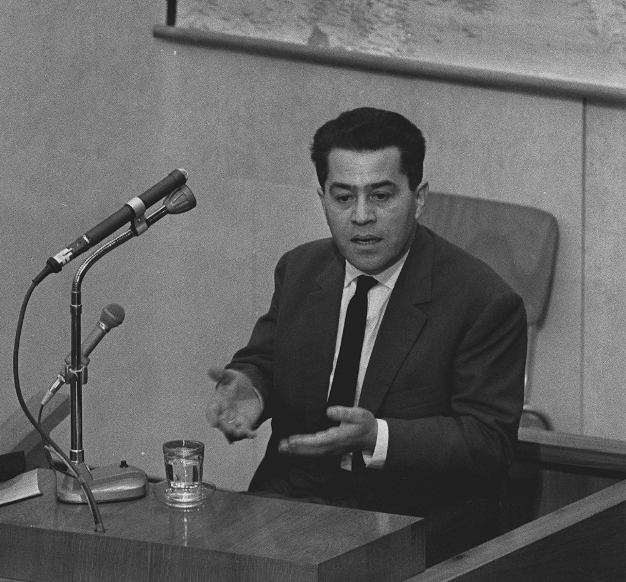
The date of March 6 was selected to coincide with the anniversary of the death of Moshe Bejski (1921–2007), an Auschwitz survivor and Israeli Supreme Court judge who served on the Yad Vashem Commission for the Designation of the Righteous Among the Nations. He dedicated his life to recognizing non-Jews who saved Jews during the Holocaust.
Significance in 2026:
- The observance pays tribute to the “Righteous Among the Nations” (over 28,000 recognized by Yad Vashem) and other rescuers across different genocides and conflicts who embodied courage, humanity, and moral responsibility in the face of evil.
- It promotes education about the Holocaust and other genocides, fights against denial and distortion of history, and encourages younger generations to stand up against indifference, racism, antisemitism, and all forms of hatred.
- In 2026, the day continues to emphasize the universal message that “one person can make a difference” and that ordinary individuals have the power to resist evil and protect the vulnerable.
Observances and Activities:
- European Parliament and institutions: Special sessions, exhibitions, and ceremonies are held in Brussels and Strasbourg. The European Parliament often hosts survivors, rescuers’ descendants, or representatives of “Righteous” organizations.
- National ceremonies: In Italy (where the day originated), Poland, France, Germany, and other countries, events take place at Holocaust memorials, museums, and schools. In Poland, ceremonies often focus on Polish Righteous (over 7,000 recognized). In Italy, the Garden of the Righteous in Milan and other cities host tree-planting ceremonies.
- Educational programs: Schools across Europe organize lessons, film screenings, survivor testimonies, and projects about the Holocaust and moral courage. Many students plant “trees of the righteous” or create art inspired by rescuers’ stories.
- Memorial gardens and symbolic acts: The Gardens of the Righteous (Giardini dei Giusti) in Milan, Yerevan, and other cities hold special ceremonies with tree-planting and readings of names of rescuers. Candles are lit, and moments of silence are observed.
- Public and media campaigns: Social media campaigns (#EuropeanDayOfTheRighteous, #GiornataDeiGiusti) share stories of courage; documentaries and interviews with survivors and rescuers’ families are broadcast; museums and cultural centers offer free entry or special exhibitions.
The European Day of the Righteous is not a public holiday but a meaningful day of remembrance and moral reflection — a day when Europe honors ordinary people who chose humanity over hatred and reminds us that courage and compassion can change history.
A key message of the day: “One person can make a difference — be that person.”
On March 6, Europe remembers the Righteous — those who risked everything to save others — and renews the commitment to never again remain indifferent in the face of evil.