

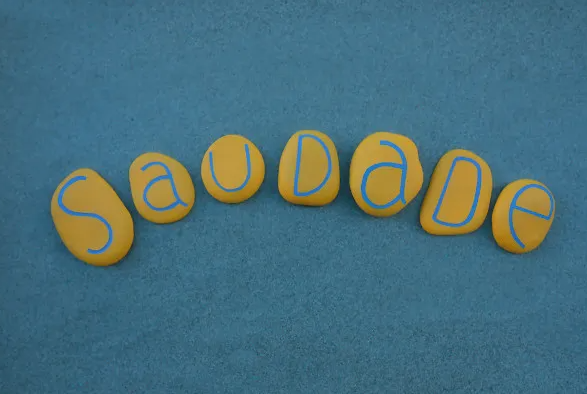
On January 30, 2026, Brazil quietly marks Dia da Saudade (Day of Saudade), a uniquely Brazilian observance that celebrates — or rather gently acknowledges — saudade, one of the most profound and untranslatable feelings in the Portuguese language.
Saudade is that deep, bittersweet longing for something or someone absent: a person who has passed away or moved far away, a place you left behind, happy times that can never quite return, or even something you’ve never had but feel you should. It’s nostalgia mixed with melancholy, tenderness, and a quiet acceptance that the missing piece may never come back. Brazilians say it’s not just sadness — there’s a warmth in it, a cherished ache that reminds you of love, connection, and what truly matters.
The day has no grand parades or official ceremonies. It’s not a public holiday (schools and businesses stay open), but it’s widely recognized in popular culture, media, and everyday life. Many trace its informal celebration to January 30, though the exact origin is more folk tradition than law — a date chosen perhaps for its simplicity, allowing people to pause amid the year and feel what they feel.
Significance in 2026:
- In a fast-moving world of social media, quick goodbyes, and long-distance lives, Dia da Saudade resonates more than ever. It invites reflection on relationships strained by migration, loss, time, or distance — themes deeply woven into Brazilian identity.
- Saudade is the emotional heartbeat of bossa nova (“Chega de Saudade” by Tom Jobim and Vinicius de Moraes is the genre’s founding song), samba, MPB, and much of Brazilian poetry and art. The day reminds people that this feeling is not weakness — it’s part of what makes life rich and human.
Celebrations and Observances:
- Personal and quiet moments: Most people mark it privately — texting or calling someone they miss, sharing old photos, listening to classic saudade-laden songs (like “Águas de Março,” “Eu Sei Que Vou Te Amar,” or fado-inspired tracks), or writing a poem or message.
- Social media and music: Posts flood with phrases like “Feliz Dia da Saudade” alongside black-and-white childhood pictures, quotes from Fernando Pessoa or Carlos Drummond de Andrade, and playlists of melancholic Brazilian classics.
- Cultural nods: Radio stations and streaming services play saudade-themed sets; some cafés or bars host low-key evenings with live acoustic music or poetry readings; families might light a candle or look through albums together.
- Everyday expressions: Friends send voice notes saying “Saudade de você” (I miss you), or post memes about feeling saudade for simple things — the smell of grandma’s cooking, a street from childhood, or even pre-pandemic life.
Dia da Saudade isn’t about forcing joy or erasing pain — it’s about sitting with the feeling, honoring it, and letting it remind you that love and memory endure.
A line Brazilians often share on this day: “Saudade é o que a gente sente quando o coração aperta, mas a alma agradece por ter vivido.” (“Saudade is what we feel when the heart tightens, but the soul thanks us for having lived.”)
On January 30, Brazil doesn’t party — it simply feels, remembers, and holds close what time has taken away. 🇧🇷