

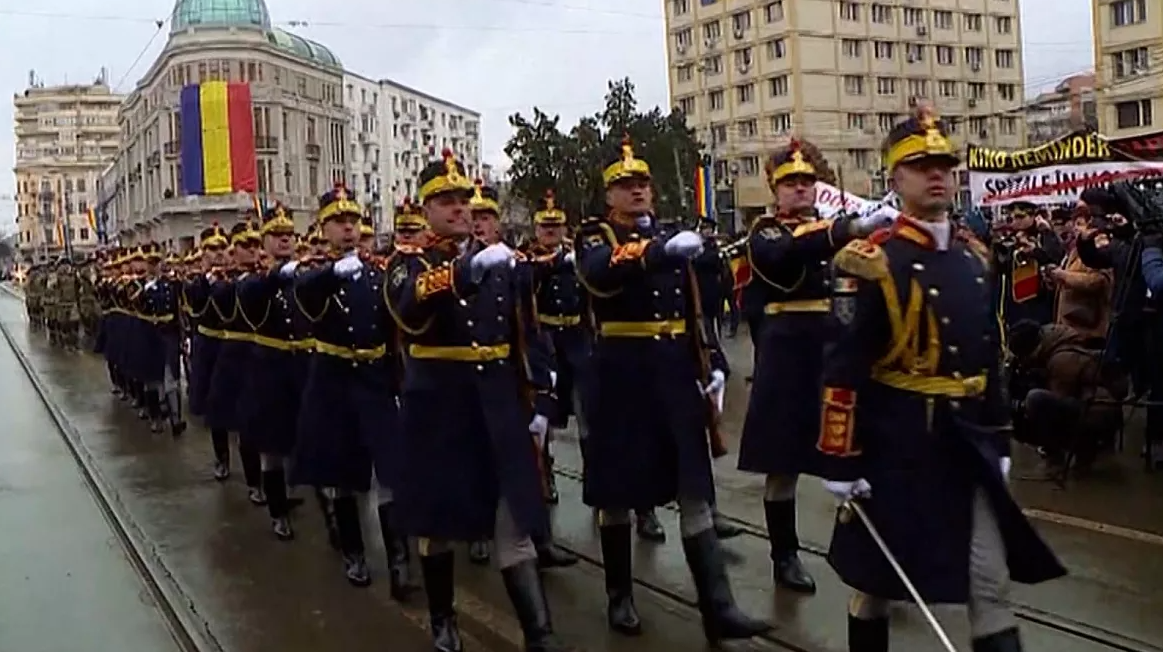
On January 24, 2026, Romania observes Day of the Unification of the Romanian Principalities (Ziua Unirii Principatelor Române), also known as Unification Day or Ziua Unirii, a public holiday commemorating the historic union of the two Romanian principalities — Moldavia (Moldova) and Wallachia (Țara Românească) — on January 24, 1859. This event, often called the “Small Union” (Mica Unire), laid the foundation for the modern Romanian state and is seen as the first major step toward full national unification.
The unification was achieved through the double election of Alexandru Ioan Cuza as Prince of both principalities: on January 5, 1859, in Moldavia and January 24, 1859, in Wallachia. This clever maneuver bypassed Ottoman and European great-power objections to a formal merger, as the two principalities remained nominally separate under Ottoman suzerainty but were now ruled by the same leader. Cuza’s election symbolized a surge of Romanian national awakening during the mid-19th century, fueled by the 1848 revolutions, liberal reforms, and cultural revival (including figures like Mihail Kogălniceanu and Vasile Alecsandri).
The Small Union paved the way for further reforms under Cuza (land reform, secularization, education modernization) and eventual formal recognition of the United Principalities in 1862. It is distinct from the Great Union (Marea Unire) on December 1, 1918, when Transylvania, Bessarabia, and Bukovina joined to form Greater Romania (celebrated as Great Union Day/National Day).
In 2026, the day marks the 167th anniversary of this foundational act, reinforcing themes of national unity, sovereignty, and shared Romanian identity.
Celebrations and Observances:
- Official ceremonies: In Bucharest, the President, Prime Minister, parliamentary leaders, and dignitaries participate in wreath-laying at monuments to Alexandru Ioan Cuza (e.g., at the University of Bucharest or his statue in Iași). Similar events occur in Iași (former Moldavian capital) and other cities.
- Cultural and patriotic events: Concerts, folk performances, historical reenactments, exhibitions on the 1859 union, and lectures in schools/universities. The Romanian flag flies prominently, and national anthem performances are common.
- Public activities: As a public holiday, government offices, schools, and many businesses close, allowing families to gather. Cities often host parades, fireworks, or community gatherings; media broadcasts documentaries, historical films, and tributes.
- Regional focus: Iași (where Cuza was first elected) hosts major events, including processions and cultural festivals. In diaspora communities, Romanian embassies and associations organize similar commemorations.
Unification Day highlights the enduring spirit of Romanian unity and the vision of leaders who forged a modern nation from divided principalities. It serves as a reminder that collective will and strategic action can overcome external obstacles.
A common phrase associated with the day: “Unirea face puterea” (“Unity makes strength”) — echoing the national motto.
On this day, Romania proudly reflects on the “Small Union” that set the course for independence and national revival. 🇷🇴