

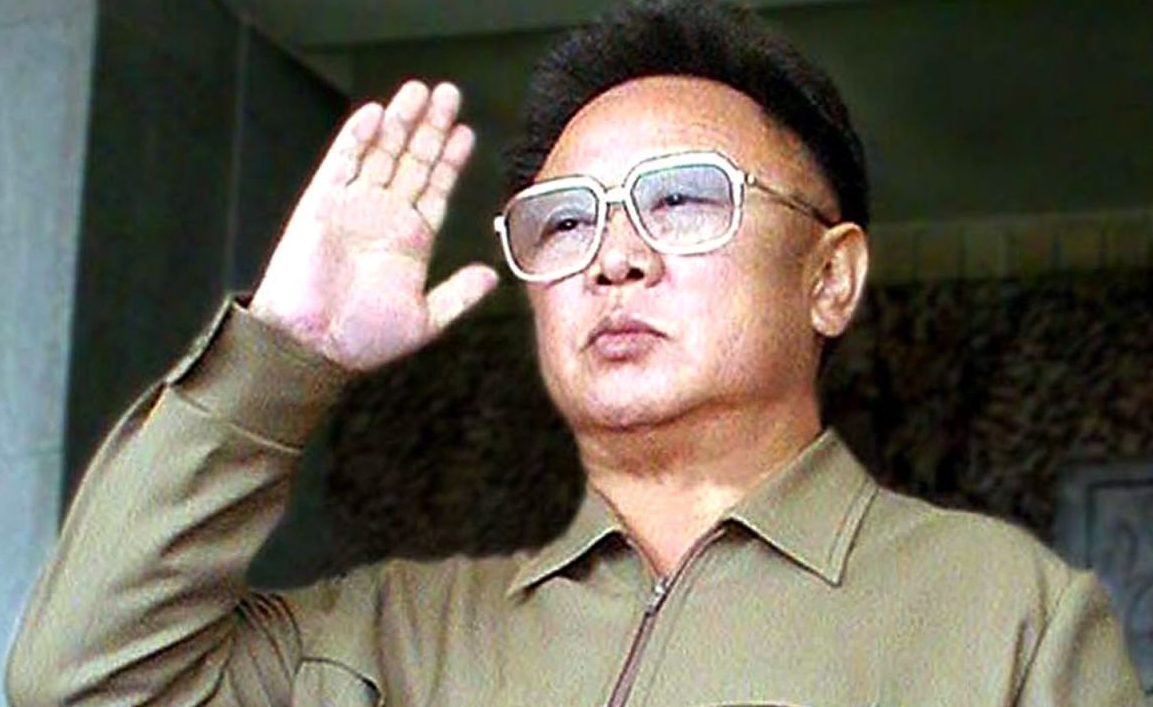
On February 16, 2026, the Democratic People’s Republic of Korea (North Korea) celebrates Day of the Shining Star (광명성절 / Kwangmyŏngsŏng-jŏl), one of the country’s two most important national holidays (alongside Day of the Sun on April 15, Kim Il-sung’s birthday).
This day marks the birth of Kim Jong Il (김정일), the second supreme leader of North Korea, born on February 16, 1941 (or 1942, according to official North Korean sources which use the Juche calendar). The name “Shining Star” (Kwangmyŏngsŏng) refers to the bright star that appeared in the sky over Mount Paektu — the sacred mountain of the Korean revolution — on the night of his birth, according to state mythology. Kim Jong Il is officially revered as the “Dear Leader” and “Eternal General Secretary,” the architect of the “military-first” (songun) policy, and the father of the current leader Kim Jong Un.
Day of the Shining Star is a mandatory holiday of immense ideological and emotional importance — a time of absolute loyalty displays, mass celebrations, and veneration of the Kim family dynasty as the eternal guiding force of the DPRK.
Significance in 2026:
- In 2026, North Korea marks the 85th anniversary of Kim Jong Il’s birth (by official reckoning) — a major milestone that reinforces the continuity of the Kim dynasty and the Juche ideology.
- The day glorifies Kim Jong Il’s leadership during the “Arduous March” (1990s famine), his military modernization, nuclear program development, and his role in making North Korea a “strong and prosperous” socialist state.
- It is a powerful demonstration of the cult of personality: Kim Jong Il is portrayed as a near-divine figure — genius military strategist, benevolent father of the nation, and eternal protector.
Celebrations and Observances:
- Mass events in Pyongyang: The capital hosts grand fireworks displays over the Taedong River, large-scale mass games or performances at May Day Stadium (if scheduled), and torchlight processions. Millions of citizens participate in loyalty rallies, singing revolutionary songs, and chanting slogans.
- Official ceremonies: Kim Jong Un (or high-ranking officials) lays wreaths at the Kumsusan Palace of the Sun (where Kim Jong Il’s embalmed body lies in state alongside Kim Il-sung) and the Mansudae Grand Monument (giant bronze statues of the two leaders). The Supreme Leader delivers a message or speech broadcast nationwide.
- Nationwide tributes: Every city, town, and village holds similar wreath-laying at local statues of Kim Jong Il; schools, factories, and military units organize mass meetings, art performances, and loyalty pledges.
- Cultural and propaganda programs: Korean Central Television airs special documentaries on Kim Jong Il’s life, achievements, and “on-the-spot guidance” visits; revolutionary operas, films, and songs (e.g., “Leader, Just Give Us Your Order!”) are broadcast continuously. State media publishes special editions with tributes and photos.
- Public participation: Citizens wear their best clothes (often hanbok or military uniforms); children perform group dances and songs; people visit statues or monuments to bow and lay flowers. The day includes feasts (when possible) with extra rations of food and alcohol distributed in workplaces.
- Symbolic acts: Portraits of Kim Jong Il are prominently displayed; the Korean People’s Army flag and party flag fly everywhere; the slogan “Kim Jong Il is always with us” is repeated in speeches and chants.
Day of the Shining Star is a public holiday in North Korea — all work, schools, and regular activities stop — allowing the entire population to participate in the massive, state-orchestrated celebrations.
A chant often heard during events: “위대한 장군님 만세!” (“Long live the Great General!”)
On February 16, North Korea turns out in millions to pay homage to the “Dear Leader” Kim Jong Il — the shining star whose birth illuminated the path of the revolution and whose spirit continues to guide the nation. 🇰🇵