

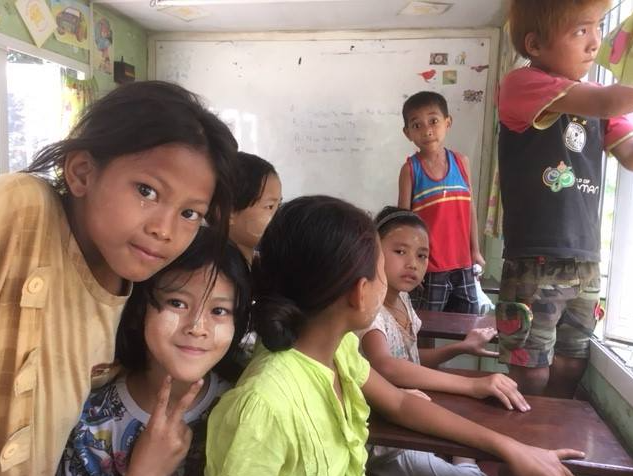
On February 13, 2026, Myanmar observes Children’s Day (ကလေးများနေ့ / Kalei Mya Nay), a national public holiday dedicated to honoring children, promoting their rights, well-being, education, and protection, and recognizing them as the future of the nation.
Children’s Day in Myanmar is celebrated on February 13 — the birthday of General Aung San (1915–1947), the father of modern Myanmar and a national hero who led the independence struggle against British colonial rule. The date was chosen to link the celebration of youth with Aung San’s legacy of fighting for freedom, unity, and a better future for the Burmese people. The holiday emphasizes the importance of nurturing the next generation to build a strong, prosperous, and independent Myanmar.
Significance in 2026:
- In 2026, Children’s Day serves as a reminder of the need to invest in youth amid ongoing challenges like access to quality education, healthcare, and protection from conflict or exploitation.
- It celebrates the innocence, potential, and energy of Myanmar’s young population (over 30% of the country is under 15) and encourages society to create safe, nurturing environments for their growth.
- The day promotes values of love, discipline, education, and patriotism, while highlighting government efforts (though implementation varies) to uphold children’s rights under the UN Convention on the Rights of the Child (ratified by Myanmar in 1991).
Celebrations and Observances:
- School and community events: Most schools hold assemblies with songs, dances, poetry recitals, and short plays performed by children. Teachers often give speeches about children’s rights and the importance of education; students receive small gifts, snacks, or certificates.
- Cultural performances: Traditional dances (anyeint, zat pwe-style performances), music, and games are common in schools and neighborhoods. In some areas, children dress in colorful traditional clothing (longyi, htamein, keshi yena for boys).
- Family activities: Families spend the day together — picnics, outings to parks or pagodas, special meals (mohinga, tea leaf salad, keshi yena, sticky rice with coconut), or simply relaxing at home. Parents often buy toys, clothes, or sweets for their children.
- Media and public messages: State media (MRTV, Myanma Alin) and private channels broadcast live programs featuring children’s talents, cartoons, interviews with young students, and messages from leaders encouraging care for the younger generation. Social media fills with family photos, children’s drawings, and greetings.
- Symbolic acts: The day often includes tree-planting or clean-up campaigns by youth groups; the Myanmar flag is flown, and the national anthem is sung at events.
Children’s Day is a public holiday in Myanmar — government offices, banks, and most schools close — allowing families to spend quality time together and participate in child-focused activities.
A common sentiment on this day: “ကလေးတွေက နိုင်ငံရဲ့ အနာဂတ်” (“Children are the future of the nation.”)
On this day, Myanmar raises its voice for its children — the joy, hope, and promise of tomorrow — in a day filled with smiles, songs, and simple acts of love. 🇲🇲