

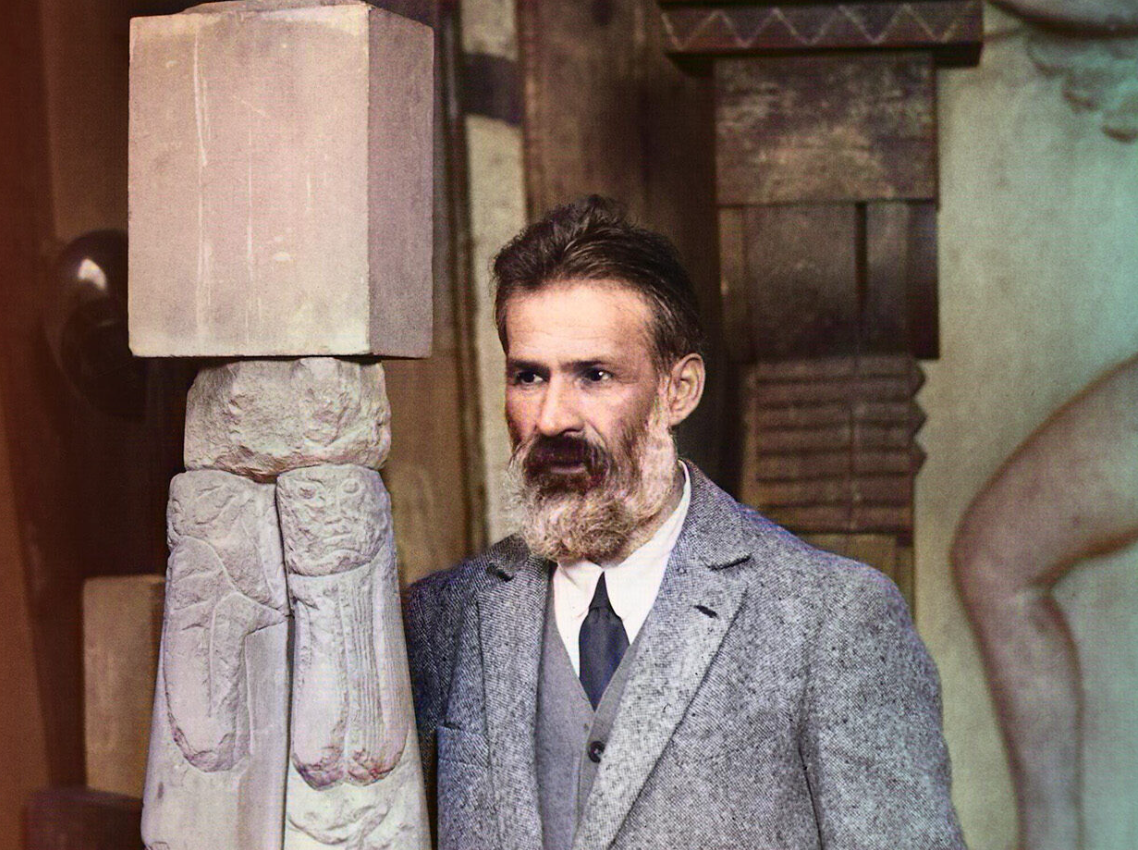
On February 19, 2026, Romania observes Brâncuși Day (Ziua Brâncuși), a cultural commemoration honoring Constantin Brâncuși (1876–1957), one of the most influential sculptors of the 20th century and Romania’s greatest modern artist.
The date marks Brâncuși’s birthday (February 19, 1876, in Hobița, Gorj County, then part of the Kingdom of Romania). Brâncuși Day was officially established in 2016 by a government decision to celebrate his life, work, and global legacy, and to promote Romanian art and cultural heritage.
Brâncuși revolutionized modern sculpture with his abstract, organic forms, polished bronze and marble surfaces, and reduction to essential shapes — often inspired by Romanian folk art, Byzantine icons, and the Carpathian landscape of his childhood. His most famous works include The Kiss (1907–08), Bird in Space (1923), Sleeping Muse (1910), The Endless Column (1938, Târgu Jiu), The Table of Silence, and The Gate of the Kiss — all part of the monumental Târgu Jiu Sculptural Ensemble, a UNESCO-recognized masterpiece of 20th-century art.
Significance in 2026:
- In 2026, Romania marks the 150th anniversary of Brâncuși’s birth — a major cultural milestone that highlights his universal influence on modern art and his role as a symbol of Romanian creativity and identity.
- The day celebrates the enduring relevance of Brâncuși’s philosophy — simplicity, truth to materials, and harmony between form and spirit — and promotes Romania’s rich artistic heritage on the global stage.
- It also draws attention to the preservation of Brâncuși’s works, especially the Târgu Jiu complex, and ongoing efforts to return Romanian cultural treasures held abroad (e.g., some sculptures in museums in France, where Brâncuși lived most of his adult life).
Celebrations and Observances:
- Main events in Târgu Jiu: The Constantin Brâncuși Memorial and the Târgu Jiu Sculptural Ensemble (Endless Column, Table of Silence, Gate of the Kiss) host the central celebration. Official wreath-laying, guided tours, concerts, and art workshops take place; the Endless Column is often illuminated at night.
- National tributes: In Bucharest, the National Museum of Art of Romania and the Brâncuși Atelier (reconstructed in the Romanian Peasant Museum) offer special exhibitions, lectures, and free entry. The Romanian Academy and Ministry of Culture organize symposia on Brâncuși’s legacy.
- Local and school programs: Schools across Romania hold assemblies with readings of Brâncuși’s letters, art classes inspired by his works (e.g., abstract sculpture projects), and screenings of documentaries (such as “Brâncuși from Hobita to Paris”).
- Cultural events: Galleries, theaters, and cultural centers feature exhibitions of contemporary Romanian sculpture, film screenings about Brâncuși, and performances of music inspired by his work (e.g., pieces by George Enescu or Ștefan Niculescu).
- Public engagement: The Romanian flag flies on public buildings; many people visit museums or post photos of Brâncuși sculptures online with #ZiuaBrâncuși or #BrâncușiDay. Social media shares quotes like: “To see is to forget the name of the thing one sees.” — Brâncuși
Brâncuși Day is not a public holiday with widespread closures (schools and offices generally remain open), but it is an official cultural observance — a day when Romania raises its voice in pride for one of its greatest sons and the universal language of his art.
A famous Brâncuși saying often quoted: “Simplitatea este complexitatea rezolvată.” (“Simplicity is complexity resolved.”)
On February 19, Romania celebrates Constantin Brâncuși — the peasant’s son from Hobița who reshaped modern sculpture and gave the world a timeless vision of beauty and truth. 🇷🇴