

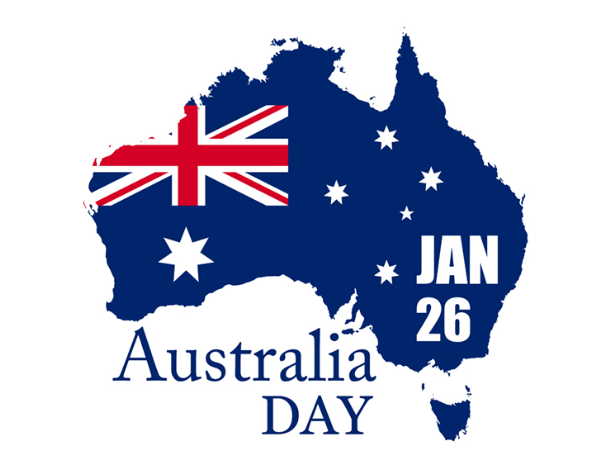
On January 26, 2026, Australia observes Australia Day, the country’s official national day and a public holiday across all states and territories. This date commemorates the arrival of the First Fleet in 1788, when Captain Arthur Phillip and British settlers landed at Sydney Cove (Port Jackson), raised the Union Jack, and established the first European colony in Australia. It marks the beginning of modern Australian society and is celebrated as a day of national pride, reflection, and community.
Australia Day is both a festive occasion and a time for contemplation. It honors the nation’s achievements, diversity, and shared values while acknowledging the complex history of colonization, including its profound impact on First Nations peoples — Aboriginal and Torres Strait Islander Australians — whose 60,000+ years of continuous culture and custodianship of the land precede European arrival.
Significance in 2026:
- The day balances celebration of contemporary Australia — its multiculturalism, resilience, innovation, and natural beauty — with respect for Indigenous heritage and ongoing reconciliation efforts.
- Official events begin with acknowledgments of Traditional Custodians and often include smoking ceremonies or Welcome to Country to honor First Nations peoples.
- It remains a focal point for discussions on identity, with polls (e.g., recent Roy Morgan surveys) showing majority support for retaining January 26 as the date, while debates about its meaning and potential change continue.
Celebrations and Observances:
- Citizenship ceremonies: Thousands become Australian citizens in formal ceremonies nationwide — often at iconic locations like Sydney Harbour or local councils — symbolizing inclusion and belonging.
- Community events: Councils and groups host barbecues (Aussie BBQs), concerts, fireworks, fun runs, markets, and family picnics. In Sydney, the day features spectacular illuminations on the Sydney Opera House sails, often with Aboriginal art projections, and community gatherings.
- Awards and recognition: Australia Day Honours (announced earlier in January) recognize outstanding contributions in fields like arts, science, sport, and community service. Local Australia Day Ambassadors visit communities to share stories.
- Traditional activities: Flag raisings, parades, beach parties, cricket matches, and backyard barbecues with lamb, prawns, and cold beer. Many wear Australian flag attire or green-and-gold colors.
- Nationwide festivities: From Darwin’s family-friendly events to Melbourne’s cultural showcases and Perth’s waterfront celebrations, communities come together to reflect, respect, and enjoy.
A Note on Perspectives: While many Australians celebrate with pride, January 26 is also known as Invasion Day or Survival Day to some First Nations people and supporters, who mark it as the beginning of dispossession, violence, and loss of land/culture. Protests and rallies (often called Invasion Day marches) occur in major cities like Sydney and Melbourne, calling for recognition of Indigenous history and sometimes advocating for a date change.
Australia Day encourages reflection on what it means to be Australian — a multicultural nation built on ancient Indigenous foundations and waves of migration — and a commitment to unity, respect, and progress.
A common toast on the day: “Happy Australia Day, mate!” — often accompanied by a cold one and a “cheers” to the lucky country.
On January 26, 2026, Australians everywhere come together to celebrate their shared home — with gratitude, joy, and an eye toward a more inclusive future. 🇦🇺