

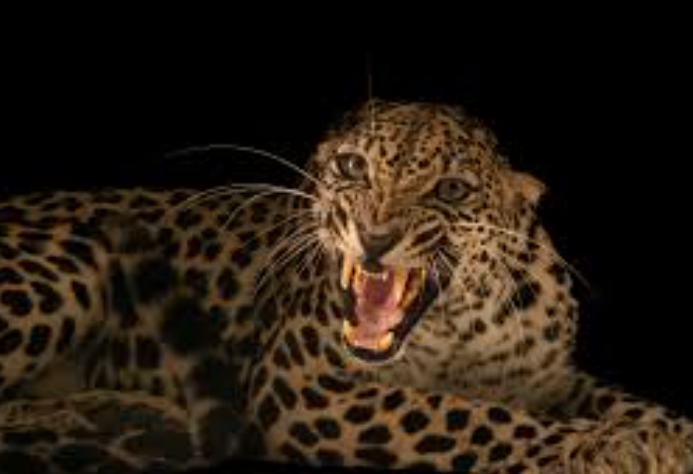
On February 10, 2026, conservation organizations, zoos, wildlife authorities, and supporters worldwide observe Arabian Leopard Day, an annual awareness day dedicated to the critically endangered Arabian leopard (Panthera pardus nimr), one of the rarest and most threatened big cat subspecies on Earth.
The date was chosen by the Arabian Leopard Trust (now part of the Panthera and Sharjah Environment and Protected Areas Authority initiatives) and partner organizations to mark the launch of intensified conservation efforts in the early 2000s. February 10 has since become the globally recognized day to spotlight the plight of this elusive predator, native to the Arabian Peninsula.
The Arabian leopard is the smallest subspecies of leopard and once roamed across the mountains and wadis of the Arabian Peninsula — from Yemen and Oman in the south to the UAE, Saudi Arabia, and Jordan in the north. Today, fewer than 200 individuals are estimated to survive in the wild (with the most viable populations in Oman and Yemen’s Dhofar region). Habitat loss, prey depletion, retaliatory killing by livestock owners, poaching for skins and body parts, and fragmentation of mountain ecosystems have pushed the species to the brink of extinction in the wild.
Significance in 2026:
- 2026 marks continued efforts under the Arabian Leopard Conservation Strategy and the Sharjah Breeding Centre for Endangered Arabian Wildlife (which maintains the world’s largest captive population for reintroduction programs).
- The day highlights progress — successful breeding in captivity, camera-trap sightings in Oman and Saudi Arabia, community-based conservation in Yemen, and increasing protected areas — while sounding the alarm that without urgent action, the Arabian leopard could become the first big cat subspecies to go extinct in modern times.
- It emphasizes the leopard’s cultural importance in Arab heritage — symbol of courage, beauty, and wilderness — and calls for stronger laws, anti-poaching patrols, livestock compensation schemes, and habitat corridors.
Observances and Activities:
- Conservation events: Zoos (especially in the UAE — Al Ain Zoo, Sharjah Desert Park, Dubai Safari Park), wildlife sanctuaries, and NGOs host special talks, behind-the-scenes tours of breeding programs, and fundraising drives for conservation projects.
- Awareness campaigns: Social media campaigns (#ArabianLeopardDay, #SaveTheArabianLeopard) feature stunning camera-trap photos, animations of the leopard’s habitat, survivor stories from rangers, and facts about threats and solutions.
- Educational programs: Schools in the Arabian Peninsula and beyond hold lessons on biodiversity, endangered species, and the role of apex predators in ecosystems; many children draw or write about the leopard.
- Field activities: In Oman and Saudi Arabia, protected area rangers and community groups organize guided hikes, camera-trap checks, or livestock guardian dog programs to reduce human-leopard conflict.
- Symbolic acts: People wear leopard-print ribbons (orange/black), share digital “adoption” certificates for captive leopards, or light virtual candles for wild individuals.
Arabian Leopard Day is not a public holiday anywhere but a vital conservation-focused awareness day — a moment when the world is reminded that one of the most beautiful and iconic animals of the Arabian Peninsula is on the verge of disappearing forever.
A key message shared every year: “The Arabian leopard is not just a species — it is part of our heritage. If we lose it, we lose a piece of ourselves.”
On February 10, supporters across the globe raise their voices to say: the Arabian leopard deserves to roam free in its homeland once again. 🐆