

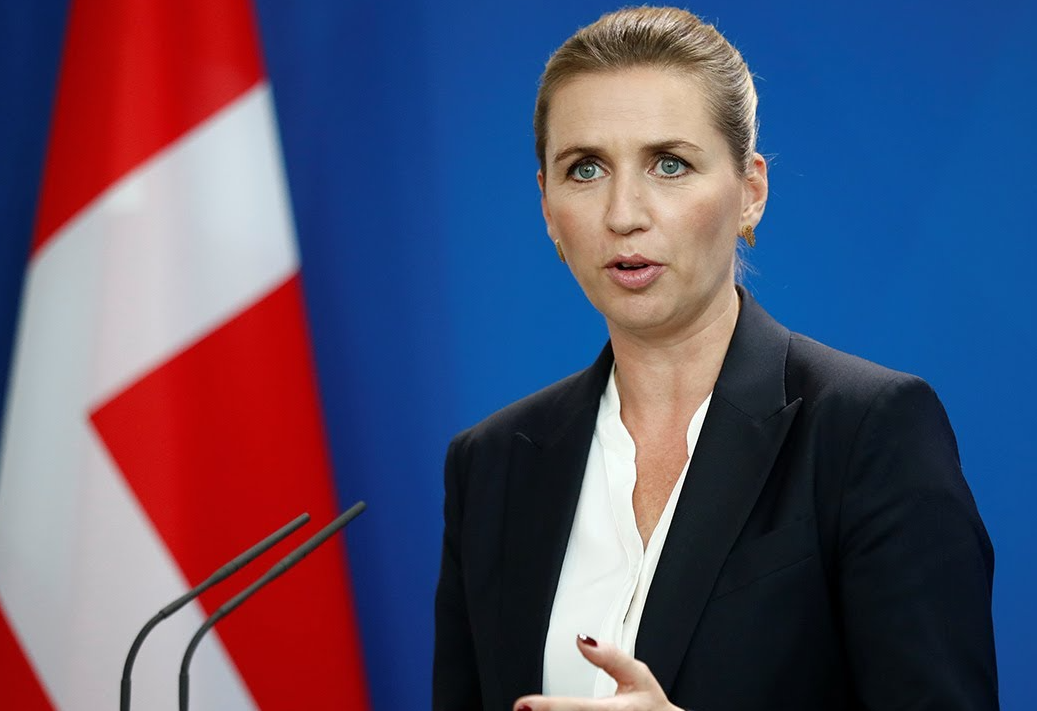
In September 2026, Danish Prime Minister Mette Frederiksen emerged as a central European figure at a time when the continent’s security environment was being reshaped by developments in the Arctic, Ukraine and the wider transatlantic relationship. The most prominent challenge of the month was Greenland, where Denmark had to balance its sovereignty, Greenland’s right to self determination, the strategic interests of the United States and the growing security responsibilities of NATO in the Arctic. On September 7, Frederiksen joined European Commission President Ursula von der Leyen and Greenlandic Prime Minister Jens Frederik Nielsen in Greenland as Denmark and the European Union strengthened their partnership on connectivity, energy, critical raw materials, civil preparedness and Arctic affairs. Frederiksen stressed that Europe could not remain a bystander in the Arctic. On September 14, she expressed optimism about finding a peaceful way forward with the United States. The diplomatic process reached a significant point on September 22, when Frederiksen, US President Donald Trump and Greenlandic Prime Minister Jens Frederik Nielsen signed a trilateral security agreement at the United Nations. The agreement strengthens security cooperation in the Arctic and North Atlantic, reinforces NATO’s role in the region and recognises Danish sovereignty and Greenland’s right to self determination.
Her leadership extended beyond the Arctic to the future of European security, with Ukraine remaining at the centre of her strategic outlook. On September 5, Frederiksen said that the war in Ukraine, instability in West Asia and growing pressure in the Arctic were among the major security challenges confronting Europe, while reaffirming Denmark’s continued support for Ukraine through weapons, ammunition, training and reconstruction. On September 15, she defended Ukraine’s ability to respond to attacks, stressing that Ukraine was the country under attack and should retain the capacity to defend itself. On September 22, she met Ukrainian President Volodymyr Zelenskyy in New York as Denmark continued to support Ukraine through European sanctions policy, financial resilience and defence cooperation. At the same time, Frederiksen viewed the wider conflict environment through its consequences for Europe. On West Asia, her position remained focused on a political settlement and the need for a sustainable two state solution, while the US Iran conflict also highlighted the vulnerability of European energy security and fuel prices. Her approach throughout the month was therefore centred on strengthening European security while keeping diplomacy and alliance cooperation at the core of Denmark’s response.
Mette Frederiksen stands out as the Apex Leader of September 2026 because she brought together Denmark’s Arctic responsibilities, European security and support for Ukraine within a coherent strategic outlook. Her September agenda demonstrated how Denmark’s security interests are increasingly connected to developments far beyond its immediate borders, from the Arctic and North Atlantic to Ukraine and West Asia. At a time when Europe is reassessing its defence responsibilities and its relationship with the United States, Frederiksen combined close transatlantic cooperation with a stronger European role in Arctic security and continued support for Ukraine. Her leadership during the month reflected diplomacy, strategic responsibility and an effort to protect Denmark’s interests while contributing to the wider security of Europe. That combination makes September a particularly significant month in Frederiksen’s role as a European security leader.