

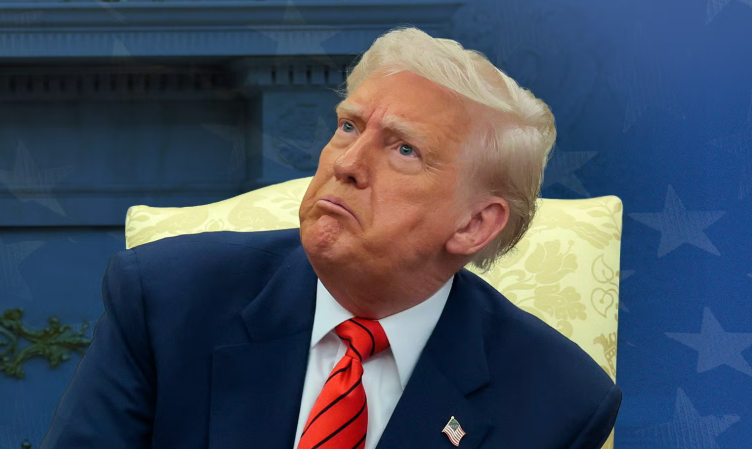
With today’s reported ultimatum by Donald Trump to Iran, giving a strict 8pm EST deadline and threatening strikes on energy infrastructure if no deal is reached, the situation looks far more serious than it is being shown. If such a strike happens, it will not stay limited. Hitting energy infrastructure is not just about damaging Iran, it can trigger a much bigger chain reaction across West Asia. These systems are connected, so any disruption in Iran can spread to other countries, especially those linked to American interests.
In that sense, initiating such a strike would effectively amount to provoking a broader confrontation across West Asian critical infrastructure. Iran is unlikely to absorb such hit quietly. Its response doctrine has consistently been built around deterrence through retaliation, especially when core national assets are targeted. A strike of this nature would almost certainly trigger a harsh and extended response, not confined to one location but potentially aimed at critical infrastructure linked to countries aligned with the United States. What may begin as a unilateral action could rapidly escalate into a region-wide cycle of strikes and counterstrikes.
Once again, Iran positions itself as acting in self defence, responding to an aggressor with what it considers an adequate and necessary response. This framing aligns with how Tehran has consistently justified its actions in the past. States under direct threat respond in ways that protect their credibility and deterrence, and in such situations, restraint is often seen internally as weakness. This is what makes the current approach particularly risky, it leaves very little room for de-escalation once the first move is made.
If destruction begins under these conditions, the burden of responsibility will inevitably fall on those who chose escalation through ultimatum. The role of external influence, especially what is often described as the Israeli lobby shaping strategic pressure and pushing for a harder line against Iran, cannot be ignored in this context. These dynamics play a part in how such decisions are framed and executed, and they will be central to any debate about accountability if the situation spirals.
At its core, this approach reflects a fundamental flaw in strategy. One cannot negotiate through threat alone, it has to be based on some form of equilibrium. When one side is given a deadline under the shadow of force, the space for genuine compromise disappears. Instead of producing agreement, it hardens positions and increases the likelihood of confrontation. Sustainable negotiation requires balance, not coercion. Without that equilibrium, what is being called diplomacy risks becoming the very trigger for a wider and far more destructive conflict.
In simple terms, it would mean Donald Trump, along with Israel, effectively pushing towards a war across the entire West Asian region.