

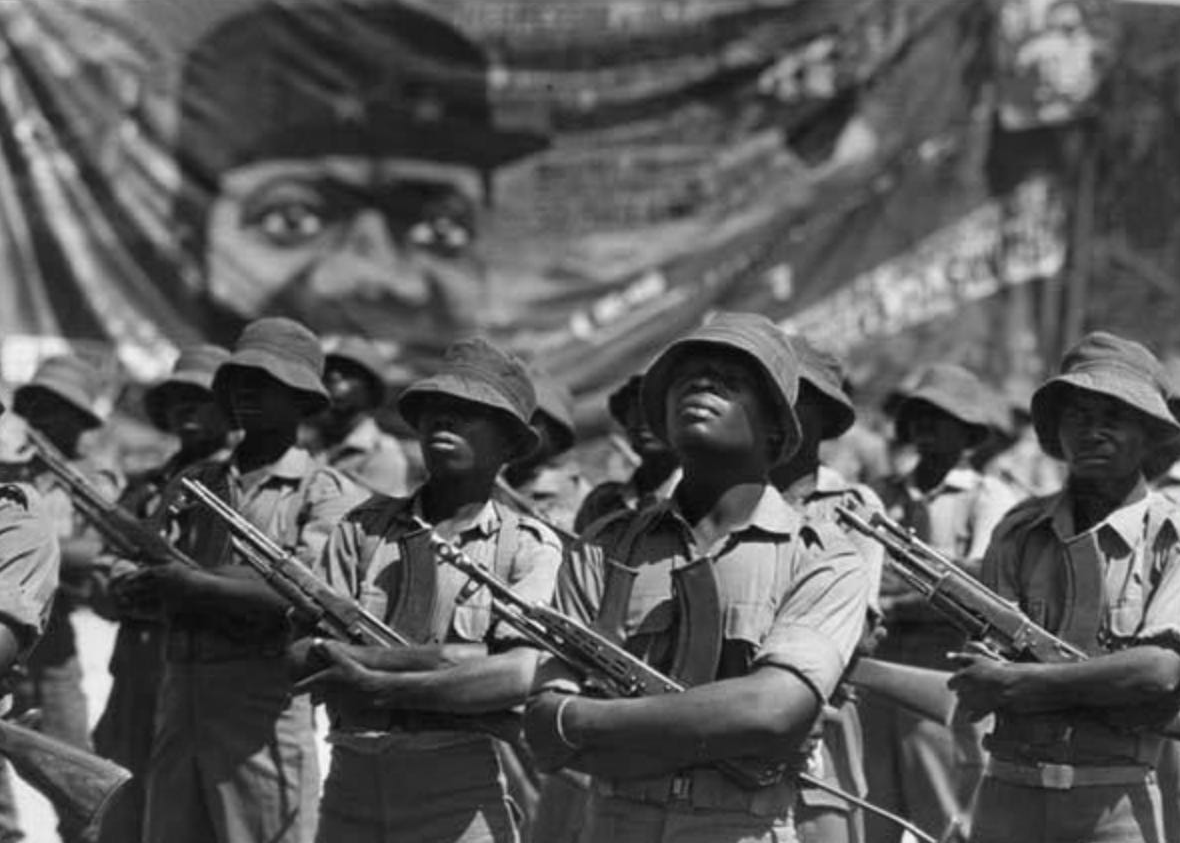
On February 4, 2026, Angola observes Day of the Armed Struggle (Dia da Luta Armada or Dia do Início da Luta Armada de Libertação Nacional), a national public holiday commemorating the launch of the armed struggle against Portuguese colonial rule on February 4, 1961.
This date marks the beginning of the Angolan War of Independence, when members of the Popular Movement for the Liberation of Angola (MPLA) launched coordinated attacks on colonial prisons and police posts in Luanda — specifically the São Paulo and Casa de Reclusão prisons — to free political prisoners. The attacks, though largely unsuccessful in freeing inmates, sparked widespread uprisings across the country and signaled the start of a 14-year guerrilla war that would eventually lead to independence on November 11, 1975.
The events of February 4, 1961, are considered the symbolic ignition of the national liberation struggle, involving not only the MPLA but also other movements like the FNLA (National Front for the Liberation of Angola) and UNITA (National Union for the Total Independence of Angola). It is a day to honor all Angolans — fighters, civilians, women, and youth — who resisted colonial oppression through sacrifice, courage, and determination.
Significance in 2026:
- In 2026, Angola marks the 65th anniversary of the start of the armed struggle — a milestone that underscores the long road from colonial subjugation to sovereignty and the enduring legacy of national unity forged in resistance.
- The day reaffirms the values of patriotism, self-sacrifice, and collective effort that define modern Angola, while reflecting on the high cost of freedom (tens of thousands died in the independence war and subsequent civil war).
- It celebrates the contributions of the liberation movements and the ordinary Angolans who supported them, often at great personal risk.
Celebrations and Observances:
- Official ceremonies: The main national event takes place in Luanda, often at the Monument to the Heroes of the Armed Struggle or the Mausoleum of Agostinho Neto (first president and MPLA leader). President João Lourenço, government officials, military leaders, veterans, and families lay wreaths, observe moments of silence, and deliver speeches honoring the martyrs.
- Nationwide tributes: Similar ceremonies occur in every province at local monuments, military bases, and cemeteries; veterans’ associations and war widows receive special recognition.
- Cultural and educational programs: Schools hold assemblies with lessons on the 1961 attacks and the liberation war; cultural performances feature revolutionary songs, poetry, and traditional dances; media (TPA television, Rádio Nacional de Angola) broadcasts documentaries, interviews with veterans, and archival footage.
- Public reflection: Many Angolans visit family graves or national memorials to lay flowers or light candles; the national flag flies prominently; the day is solemn and reflective rather than festive.
- Symbolic acts: Patriotic music (e.g., songs from the liberation era) plays on radio and TV; youth groups and schools participate in marches or clean-up campaigns at historical sites.
Day of the Armed Struggle is a public holiday in Angola — government offices, schools, banks, and most businesses close — allowing citizens to join in commemorations and spend time with family in remembrance.
A phrase often heard on this day: “Honra e glória aos combatentes da luta armada!” (“Honor and glory to the fighters of the armed struggle!”)
On February 4, Angola remembers the brave men and women who took up arms so that the nation could one day be free — and renews its commitment to building a peaceful, united, and prosperous future. 🇦🇴