

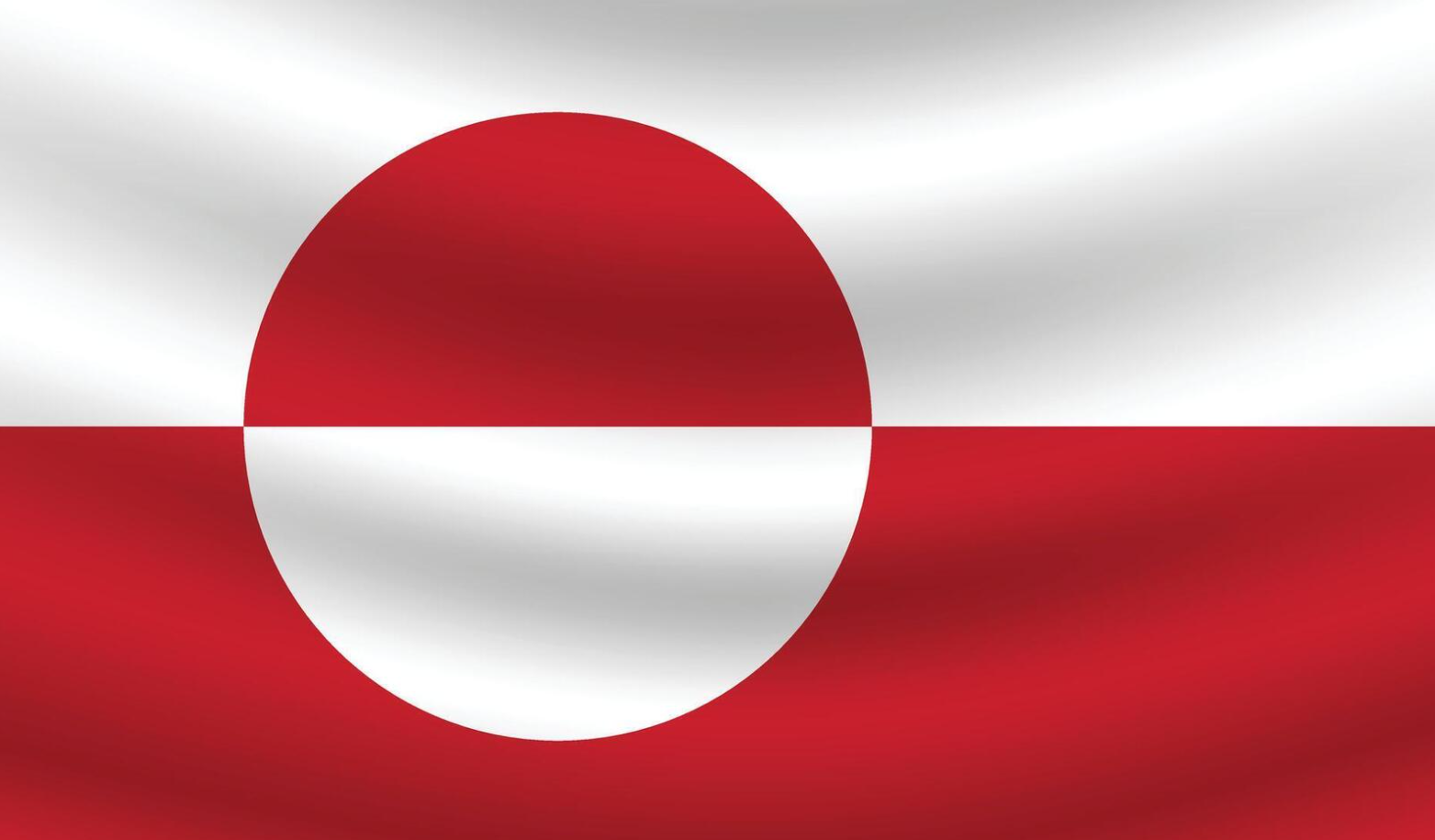
Greenland has suddenly become one of the hottest geopolitical spots on the planet in January 2026. The island sits on top of massive rare-earth deposits, controls access to new shipping lanes as the ice melts, and lies right between North America and Eurasia. That strategic position has pulled in the big players hard.
Trump keeps saying—loudly and repeatedly—that the United States needs to take control of Greenland for national security reasons, to stop Russia and China from getting too comfortable up there. He hasn’t ruled out using force or slapping tariffs on allies who don’t play ball, even though the U.S. already has long-standing rights to operate Pituffik Space Base under the 1951 agreement. Denmark and Greenland’s own government have said no—flat out. They’ve stressed sovereignty, the right of Greenlanders to decide their future, and sticking to international rules. The recent Washington talks went nowhere fast (the two sides couldn’t even agree on what was agreed), Denmark is beefing up its military footprint a bit, and small teams from France, Germany, Sweden, Norway, the UK, Netherlands and a few others have started showing up for joint exercises under Operation Arctic Endurance. Everyone calls these moves largely symbolic, but the message is clear: Europe isn’t going to let anyone walk in and take the place.
So Europe really has two broad paths forward, and neither is easy.
Option 1: Line up tightly against Russia and China This means buying fully into the American narrative that Moscow’s new Arctic bases and Beijing’s money pouring into mining, ports and the “Polar Silk Road” are the main danger. Europe could join more joint patrols, share more intelligence, keep sanctions tight, and push harder inside NATO for Arctic priorities. The problem is obvious: doing that hands Trump exactly the storyline he wants. He already uses every Russian submarine movement and Chinese investment as proof that the U.S. has to run Greenland itself—not just cooperate there. If Europe leans too hard this way, it risks weakening Danish and Greenlandic control, seriously damaging trust across the Atlantic (Danish politicians have already warned that any American military move would finish NATO), and basically helping deliver the outcome it says it wants to prevent.
Option 2: Hold the line against U.S. pressure while keeping the door cracked open for pragmatic talks with everyone—including Russia and China This is about making any unilateral American grab politically and diplomatically too expensive. Keep the small multinational troop rotations and exercises going so the message stays visible. Work to bring the Arctic Council back to life or build parallel forums that actually include everybody. Push for fresh agreements on everything from sustainable mining investment to search-and-rescue coordination to environmental monitoring. And yes—where it makes sense and doesn’t compromise core security—bring Russia and China into specific, limited, low-stakes cooperation: joint science projects, shipping safety standards, pollution tracking, things like that. The goal isn’t friendship; it’s lowering the temperature and taking away any single power’s excuse to dominate the whole region. Recent stuff fits this track: European Parliament statements slamming U.S. threats, joint declarations backing Denmark, quiet bipartisan congressional trips to Copenhagen trying to calm things down. It keeps Europe’s independence intact, avoids blowing up NATO completely, and lets the continent look like the adult in the room.
Bottom line: Option 2 is clearly the smarter, more defensible play. Throwing in fully with the anti-Russia/China camp (Option 1) almost certainly speeds up the very U.S. takeover Trump is after—he’s made it plain he wants control one way or another, tariffs or otherwise. Option 2, on the other hand, uses Europe’s real strengths: diplomatic heft, economic carrots, NATO glue (without breaking it), and the willingness to talk to Moscow and Beijing on practical Arctic housekeeping issues. That combination can de-escalate the whole mess, meet genuine security needs without handing the keys to any one country, and—most importantly—keep the decision about Greenland’s future where it belongs: with Greenlanders and Denmark, not with outside powers twisting arms.