

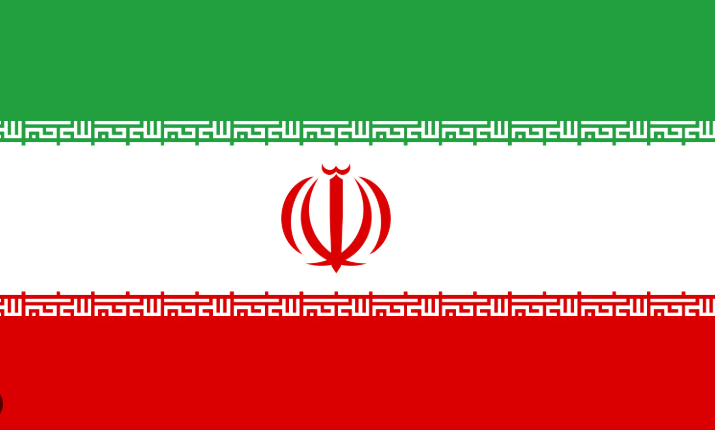
A 60-day deadline for Iran and the United States to negotiate a final agreement expires on Monday without either side implementing the terms of a memorandum of understanding signed in Islamabad on 18 June.
– The agreement, which envisaged talks over Iran’s nuclear programme, sanctions relief and other outstanding issues, effectively collapsed within weeks amid mutual accusations of violations. Tehran has since reclosed the Strait of Hormuz following what it says was a US attempt to establish an alternative shipping route, while Washington reinstated a naval blockade.
– The two sides also dispute what the expiry of the deadline means. Washington reportedly views it as the end of a ceasefire, while Tehran insists the Islamabad memorandum concerned ending the war rather than a temporary truce.
– Iranian Foreign Minister Abbas Araghchi said on Saturday that there was “no 60-day ceasefire” requiring an extension.
– “What was declared in the Islamabad memorandum of understanding was the end of the war. The United States violated the memorandum, and the conflicts resumed. We did not have a ceasefire to extend,” Araghchi said, adding that the two-month period had been intended for negotiations towards a final settlement.
– He said Qatar and Pakistan continued to exchange messages with Tehran, but stressed that this did not amount to active negotiations and that no decision had been made on resuming talks with Washington.
– Araghchi also said Iran’s ongoing contacts with Oman were separate from the US track and focused on technical discussions over maritime boundaries and regulating traffic through the Strait of Hormuz.
– Mehdi Maleki, an Iranian expert, told The New Arab that the memorandum had initially represented a potential diplomatic breakthrough, but had unravelled after the US reimposed the blockade and pursued a new maritime corridor.
– He said the agreement had envisaged an end to hostilities across Iran and the wider region, including Lebanon, the reopening of Hormuz for one month, the return of Iranian assets and talks on sanctions.
– According to Maleki, Washington breached a provision allowing Iran and Oman to discuss management of shipping through Hormuz after 23 days. He accused the US of directing vessels through a “southern corridor” with their tracking systems switched off, prompting Iran to shut the waterway again.
– Iran has since set six conditions for any renewed negotiations, including a permanent end to attacks against Iran and its regional allies, the lifting of the naval blockade and sanctions, the withdrawal of US forces from Iran’s vicinity, compensation for wars imposed on Iran, and the unconditional release of frozen Iranian assets.
– Former Supreme National Security Council secretary Mohammad-Baqer Zolghadr said earlier this month that Hormuz would not reopen until Washington “corrects its behaviour”.
– Maleki said limited military escalation now appeared more likely than a diplomatic breakthrough, given what he described as US escalation and excessive demands. Regional states are continuing overt and behind-the-scenes efforts to revive the Islamabad understanding, he added, but their chances of success remain slim.
https://www.newarab.com/news/iran-us-no-closer-deal-ceasefire-set-expire